
If there is a single maintenance topic that gets asked about more than others, it's how often to change your oil. Many new and returning customers come to United Auto Sales of Utica with this question, and there's no simple answer. Several factors influence when you should change your oil. Read on for information about determining the best oil change interval for your vehicle.
Why Oil Changes Are Important
Motor oil has several functions beyond lubricating the engine, including cleaning, cooling, and helping prevent the buildup of sludge and other deposits. Motor oil degrades over time and loses some of its protective properties. Failing to change the oil or waiting too long between changes can contribute to poor engine performance and, in extreme cases, expensive engine problems. This is why it's so important to understand how often to change oil.

How Often to Change Your Oil by Miles Driven
A general recommendation for oil change intervals can range from approximately 3,000 to 7,500 miles, although some newer vehicles may have recommended intervals that are longer. Actual intervals vary based on factors such as the make and model of your vehicle, the type of oil used, and your driving conditions.
Your owner's manual has the manufacturer's recommended schedule for your vehicle.
Many older vehicles using conventional oil have shorter recommended intervals, while newer vehicles using synthetic oil may have recommended intervals of 7,500 miles or more. For the most accurate information, consult your owner's manual, which should provide the manufacturer's recommended oil change schedule.
The Difference Between Synthetic and Conventional Oil
One of the most important factors affecting your recommended oil change interval is the type of oil used in your vehicle. Conventional motor oil generally requires more frequent changes than full synthetic oil, which is formulated to provide longer-lasting protection under a wider range of conditions.
Conventional oil
- Generally needs more frequent changes
- Common in older vehicles with shorter recommended intervals
Full synthetic oil
- Formulated for longer-lasting protection in a wider range of conditions
- Often recommended for newer vehicles, with longer intervals
Full synthetic oil is often recommended for newer vehicles and has contributed to longer oil change intervals in many modern vehicles. Always follow the oil specifications and change intervals recommended by your vehicle manufacturer.
Driving Practices That Can Impact Oil Change Frequency
Factors other than distance traveled can affect how often you should change your oil. Conditions that may require more frequent oil changes include frequent city driving with repeated stops and starts, extended engine idling, regularly towing heavy loads, and exposure to very hot or cold weather.
- Stop-and-go city driving
- Extended engine idling
- Towing heavy loads
- Very hot or cold weather
- Frequent short trips
Drivers who frequently take short trips and do not allow their vehicles to reach normal operating temperature may also need to follow a more frequent maintenance schedule than drivers who primarily take longer trips.
Signs It's Time to Change the Oil in Your Vehicle Early
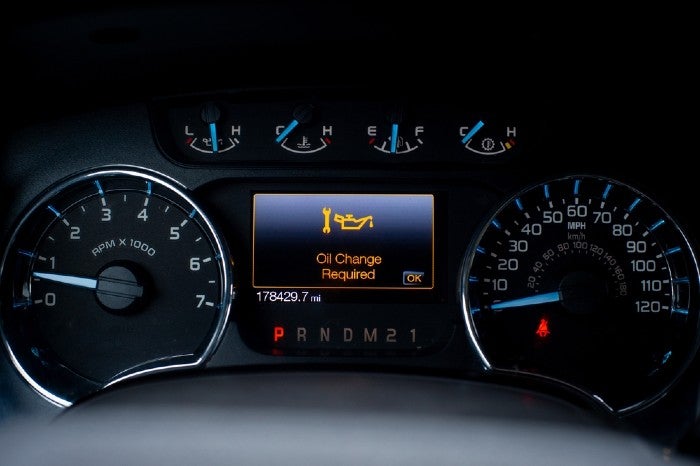
Even if you follow a regular maintenance schedule, other indicators can signal that your vehicle needs service sooner. Signs may include an oil change warning light on the dashboard, unusually dark or contaminated oil, unusual engine noises, or decreased fuel economy.
- Oil change warning light on the dashboard
- Unusually dark or contaminated oil
- Unusual engine noises
- Decreased fuel economy
Addressing potential problems promptly can help prevent more serious engine issues.
How to Find a Trusted Oil Change Service in Utica, NY
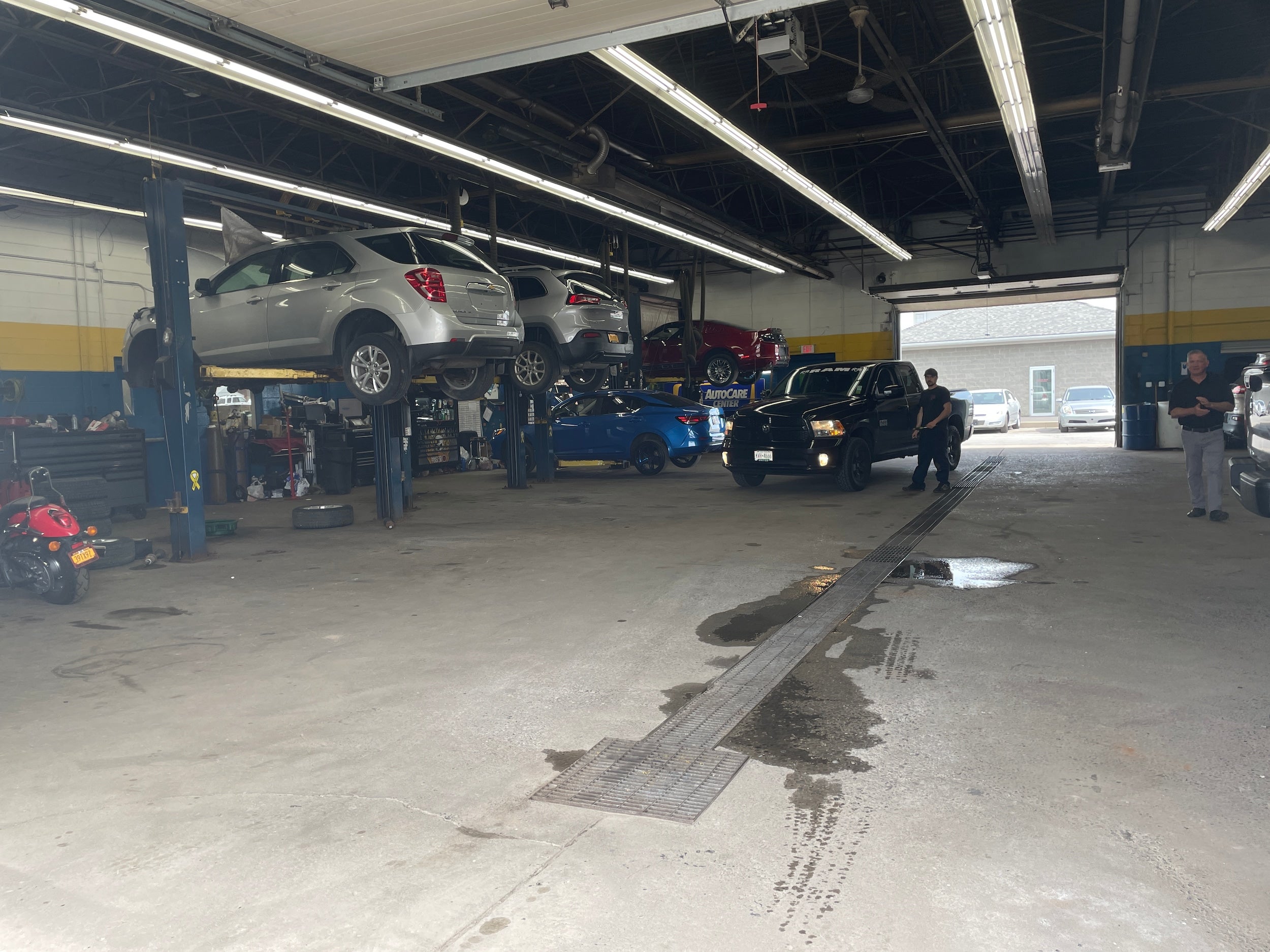
When you need service, arranging an oil change in Utica, NY, or nearby areas can be easy. One advantage of using a reliable oil change service is having trained technicians who can provide service tailored to your particular vehicle rather than relying on a generic maintenance schedule. Technicians can help determine the appropriate oil type and service interval based on your engine, vehicle, and driving habits.

Frequently Asked Questions
How frequently should I change the oil if I do mostly highway driving?
Highway driving is generally less demanding on your engine than frequent stop-and-go city driving. If you primarily drive on highways, you may be able to follow the longer end of your manufacturer's recommended oil change interval. Always follow the schedule in your owner's manual.
Does oil type affect how often oil should be changed?
Yes. Synthetic oil generally provides longer-lasting protection than conventional oil, and many newer vehicles have longer maintenance intervals because they are designed to use synthetic oil. The manufacturer's recommended oil type and interval should always take priority.
Can I account for time driven rather than miles driven?
Yes. Vehicle manufacturers may recommend changing the oil based on mileage or time, whichever comes first. Even vehicles that are driven infrequently may need periodic oil changes because oil can degrade over time.
What problems can occur if I don't change my oil often enough?
Delaying oil changes can cause motor oil to lose its protective properties, increasing engine wear and potentially contributing to sludge buildup, reduced performance, and other mechanical problems over time.
Get Your Oil Changed at United Auto Sales
Our team at United Auto Sales in Utica is happy to help you determine an oil change schedule that supports your vehicle's maintenance needs and helps prevent avoidable performance issues. Stop by our dealership for more information when you need an oil change near Utica NY.
4994 Commercial Drive, Yorkville, NY 13495