

Car Dealer vs. Private Owner: What’s the Difference?
United Auto Sales of Utica
Shopping for a used vehicle can feel like a crossroads. On one side, you’ve got private sellers listing cars online or parking them in their driveways with a “For Sale” sign. On the other hand, you’ve got established dealerships like United Auto Sales of Utica right here in Yorkville, NY, offering a full lineup of inspected, ready-to-drive vehicles. Both options might seem similar at first glance, but once you dig in, the differences become pretty clear.
So, what’s the difference between a dealership vs. private seller experience? And more importantly, which one sets you up for a smoother, safer, and more confident purchase?
Main Takeaways
- Dealerships offer transparency, documentation, and accountability you won’t always get from private sellers.
- The price difference between dealer and private seller reflects inspections, reconditioning, and legal protections.
- Financing options and trade-ins make dealerships far more flexible.
- Private sellers offer fewer protections and no post-sale support.
- When comparing a dealership to a private seller, most buyers find the added security of a dealer worth the cost.
The Confidence of a Dealer Purchase
One of the most significant advantages of choosing a dealership is the peace of mind it provides. When you walk onto a lot, you’re not just looking at a car—you’re looking at a vehicle that’s been inspected, serviced, and prepped to meet specific standards. Dealerships rely on their reputation, so every car must be something they’re proud to put their name on.
Private sellers don’t have that same accountability. They’re usually just trying to move one car, not maintain a long-term business. That doesn’t automatically make a private seller untrustworthy, but it does mean you’re taking on more risk. You’re relying on their honesty, their memory, and their understanding of the car’s condition. And let’s be honest—those things can vary wildly.
Transparency and Documentation
Ever tried asking a private seller for maintenance records, a full vehicle history report, or proof of recent repairs? Sometimes you get lucky. Other times, you get a shrug and a “not sure, the last owner did that.”
Dealerships operate differently. They provide documentation upfront because it’s part of the buying process. You get a clear picture of what the car has been through, what’s been fixed, and what you can expect going forward. That level of transparency makes a huge difference when you’re making a significant purchase.
This is also where the price difference between dealers and private sellers becomes clearer. A dealership invests in inspections, reconditioning, and paperwork. A private seller usually doesn’t. You’re not just paying for the car—you’re paying for the confidence that comes with knowing what you’re getting.

Financing and Payment Flexibility

Here’s something many shoppers forget: private sellers typically want cash or a bank check. That’s it: no financing options, no payment plans, no flexibility.
Dealerships, on the other hand, work with multiple lenders. Whether you’re building credit, rebuilding credit, or just want a manageable monthly payment, a dealer can help you structure a plan that fits your budget. That alone can make the decision easy for many buyers.
And if you’re trading in your current vehicle? A private seller can’t help you there. A dealership can.
Legal Protection and Consumer Rights
Buying from a dealership gives you certain protections under state and federal laws. You may get warranties, return options, or lemon-law coverage depending on the situation. Dealers must follow strict regulations when selling vehicles.
Private sellers? Not so much. Once you hand over the money and drive away, the deal is usually final. If something goes wrong the next day, you’re on your own.
This is often the deciding factor for shoppers wondering, “Is it better to buy from a dealer or private?” For many, the answer becomes clear once they consider the legal protections that come with a dealership purchase.
Vehicle Quality and Reconditioning
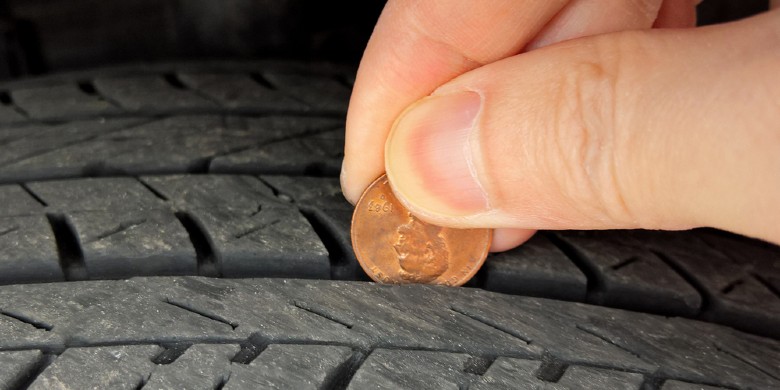
Dealerships don’t just wash a car and put it on the lot. They inspect, repair, and replace worn parts to ensure the vehicle is ready for everyday driving. That process costs time and money, but it also means you’re getting a car that’s been professionally evaluated.
Private sellers rarely invest in reconditioning. They might change the oil or vacuum the interior, but major repairs? Not likely. And if a private seller knows the car needs work, they may not always disclose it.
This difference in preparation is one of the main reasons buyers prefer dealerships. It’s not just about the car—it’s about the confidence that comes with it.
Customer Support After the Sale
A dealership relationship doesn’t end when you drive off the lot. Whether you need help with paperwork, have questions about your vehicle, or want service down the road, there’s a team you can return to.
With a private seller, once the keys are handed over, the relationship ends. There’s no support, no follow-up, and no one to call if something doesn’t feel right.

See Our Lot!
Ultimately, choosing a used car comes down to trust and protection. A private seller might appear appealing at first glance, but the uncertainty can quickly outweigh the savings. A dealership like United Auto Sales of Utica provides shoppers with the structure, transparency, and support that make the process easier and more secure. When you’re investing in your next ride, that kind of peace of mind goes a long way.
FAQ
Is it better to buy from a dealer or a private seller?
Buying from a dealer typically offers more protection, better documentation, and financing options. Private sellers can offer lower prices, but they carry a higher risk.
What’s the most significant difference between buying from a dealer and a private seller?
A dealership offers inspections, documentation, legal protections, and financing options. A private seller typically sells the car “as-is” with no guarantees or support after the sale.
Do private sellers offer warranties?
Usually not. Most private-party sales are “as-is,” meaning you’re responsible for any repairs after purchase.
What makes dealership vehicles more reliable?
Dealers inspect and recondition vehicles before selling them, ensuring they meet specific quality standards.
Hours and Directions
| Department | Number |
|---|---|
| Sales | 315-736-3361 |
| Service | 315-736-3361 |
| Day | Open | Closed |
|---|---|---|
| Monday | 9:00AM | 6:30PM |
| Tuesday | 9:00AM | 6:30PM |
| Wednesday | 9:00AM | 6:30PM |
| Thursday | 9:00AM | 6:30PM |
| Friday | 9:00AM | 6:00PM |
| Saturday | 9:00AM | 4:00PM |
| Sunday | Closed | Closed |
| Day | Open | Closed |
|---|---|---|
| Monday | 8:00AM | 5:00PM |
| Tuesday | 8:00AM | 5:00PM |
| Wednesday | 8:00AM | 5:00PM |
| Thursday | 8:00AM | 5:00PM |
| Friday | 8:00AM | 5:00PM |
| Saturday | Closed | Closed |
| Sunday | Closed | Closed |
| Day | Open | Closed |
|---|---|---|
| Monday | 8:00AM | 5:00PM |
| Tuesday | 8:00AM | 5:00PM |
| Wednesday | 8:00AM | 5:00PM |
| Thursday | 8:00AM | 5:00PM |
| Friday | 8:00AM | 5:00PM |
| Saturday | Closed | Closed |
| Sunday | Closed | Closed |