Blog / Service

How to Know if Brake Fluid is Low

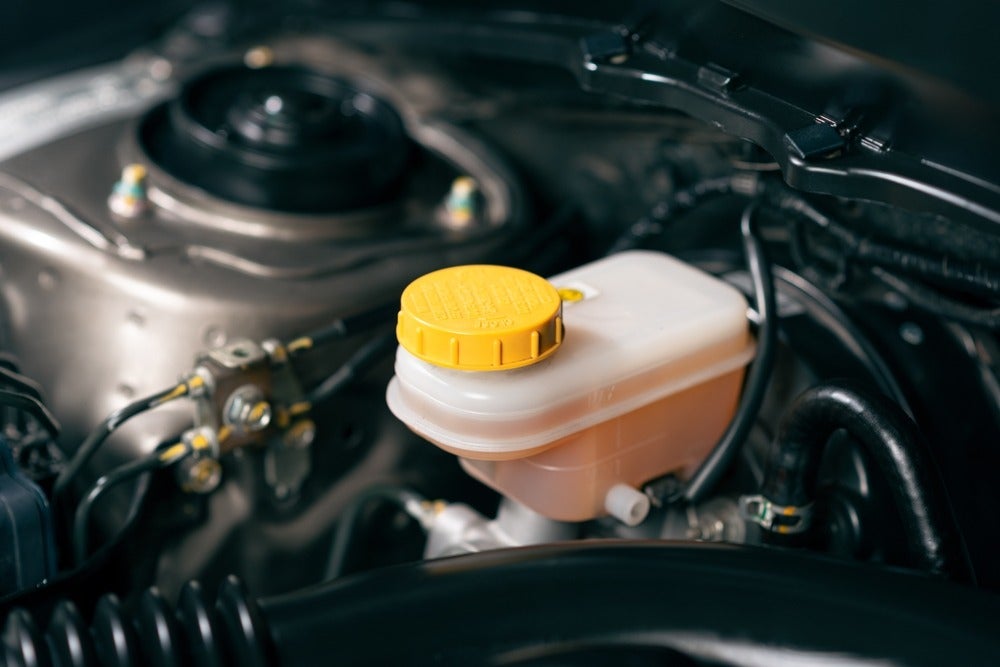
Close up of brake fluid in an engine.

Low brake fluid can affect your vehicle's ability to stop, so it's important to recognize the warning signs. We want all drivers to pay attention to any changes braking, especially when they're on our snowy winter roads. If you're wondering how to know if brake fluid is low, there are several symptoms to watch for. You can also check the fluid level yourself in just a few minutes. Here's what you need to know.

What Does Brake Fluid Do?

When you press the brake pedal, brake fluid carries pressure through a sealed hydraulic system to the brakes at your wheels. The pressure helps the brake pads press against moving parts, which slows down the vehicle. The system relies on a proper amount of brake fluid to transfer pressure. A serious leak can make it difficult to stop safely. Brake fluid also needs to stay clean and meet your vehicle manufacturer's specifications. It's an essential part of the braking system, and not a fluid that will disappear through normal use.

Signs Your Brake Fluid Is Low

A soft or "spongy" brake pedal is one warning sign. Instead of feeling firm when pressed, the pedal might travel further than usual or feel extra springy. This can happen when air enters the hydraulic system, sometimes because fluid has leaked out. Other brake problems can cause a similar feeling, so don't assume low fluid is the main culprit.

Watch for a red brake warning light on your instrument gauge, too. Depending on the vehicle, this light can indicate low fluid or another braking system fault of some kind. Consult your owner's manual to identify the warning. If it stays on after you've released the parking brake, have the problem checked.

Changes in stopping performance are very serious. If the vehicle takes longer to stop or the brake pedal sinks all the way to the floor, you should stop driving it. Have it towed to a qualified repair center.
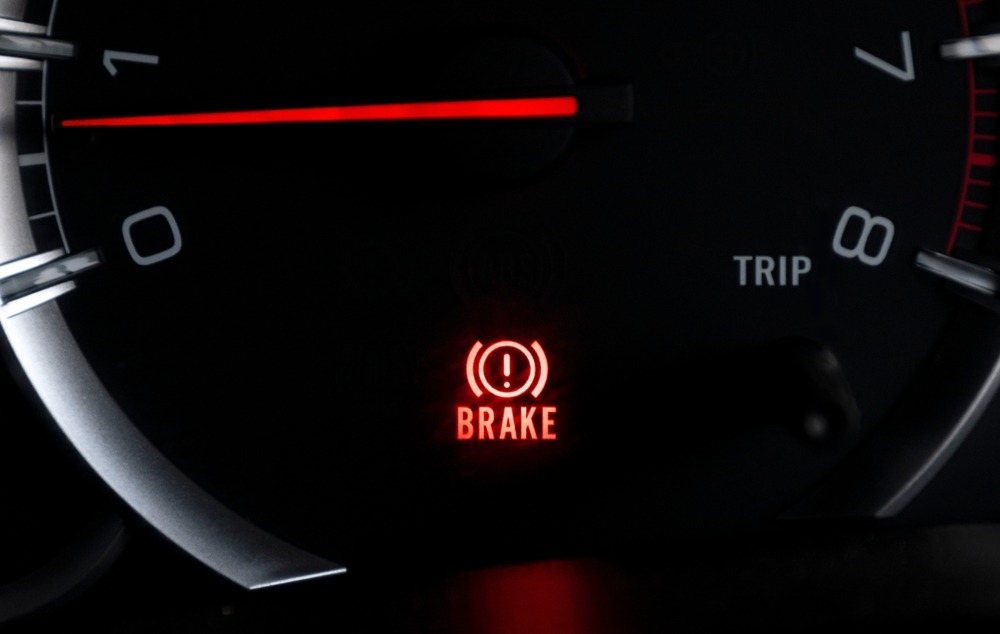
Brake fluid warning light illuminated on a vehicle instrument cluster

How to Check Brake Fluid

Learning how to check brake fluid takes only a few minutes on most vehicles. Switch off the engine when parked on level ground, and open the hood. Your owner's manual should show you where to find the brake fluid reservoir. It's usually near the rear of the engine compartment on the driver's side.

Most brake fluid reservoirs are translucent plastic with MIN and MAX level markings. Look at the fluid through the side of the container. When the vehicle is parked in a flat space, the level should be between the MIN/MAX markings. You shouldn't need to remove the cap from the reservoir to check this. If the level is below MIN, you shouldn't simply add fluid and forget about it. You should find out why it's low.

Close-up of a brake fluid reservoir showing the fluid level

Why Does Brake Fluid Get Low?

Worn brake pads are a common reason you'll see a gradual drop in the reservoir level. As the pads wear thinner over time, the brake caliper pistons have to extend farther to keep them close to the rotors. More fluid stays in the calipers, which leaves less fluid in the reservoir.

A leak is more serious. Fluid can escape from a damaged brake line or a hose. You might notice a wet spot near a wheel or underneath the vehicle, although leaks aren't always visible from the outside. A sudden drop in fluid or a reservoir that repeatedly needs topping off needs professional attention.

What Happens When Brake Fluid is Low?

The answer to this question depends on the cause and severity. A modest fluid decrease from normal brake pad wear doesn't necessarily mean the brakes have stopped working correctly. But if fluid escapes through a leak, air can enter the system and prevent pressure from reaching the brakes as intended. The pedal might become soft and stopping distances might increase. Severe fluid loss can lead to total brake failure. You shouldn't test these limits on the road. Any unusual pedal response or reduced braking deserves immediate attention.

Brake Service in Yorkville NY

You should have the brake system inspected to figure out whether worn brake pads or a leak caused the fluid level to drop. If the brakes feel different, you should have the vehicle towed to United Auto Sales of Utica. The service tech might recommend a brake fluid flush. This will remove the old fluid and replace it with fresh brake fluid. This may be recommended based on the manufacturer's maintenance schedule or the condition of the fluid. This isn't a substitute for repairing a leak.

If you have any concerns about your braking system, our service team can help. For brake service in Yorkville NY, visit us at 4994 Commercial Drive or use our website to request an appointment.

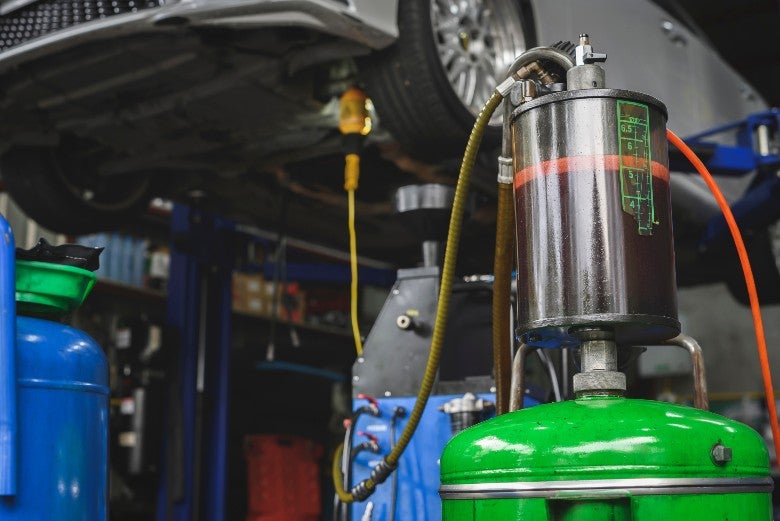
Service technician changing brake fluid on a vehicle

Brakes feeling soft or warning light on?

Request a Service Appointment

Frequently Asked Questions About Low Brake Fluid

How do I know if my brake fluid is low?

Common signs include a soft or spongy brake pedal, a red brake warning light that stays on after the parking brake is released, and longer stopping distances. You can also check the reservoir under the hood to see whether the fluid sits below the MIN marking.

Where is the brake fluid reservoir located?

On most vehicles, the brake fluid reservoir is near the rear of the engine compartment on the driver's side. It's usually translucent plastic with MIN and MAX markings, so you can check the level without removing the cap. Your owner's manual will show the exact location.

Why does brake fluid get low?

A gradual drop is often caused by worn brake pads, since the caliper pistons extend farther and hold more fluid. A sudden drop or a reservoir that keeps needing to be topped off usually points to a leak in a brake line or hose, which needs professional attention.

Is it safe to drive with low brake fluid?

If the vehicle takes longer to stop or the brake pedal sinks to the floor, stop driving and have it towed to a qualified repair center. Severe fluid loss can lead to total brake failure, so any unusual pedal response or reduced braking deserves immediate attention.
Posted in:

Related Posts

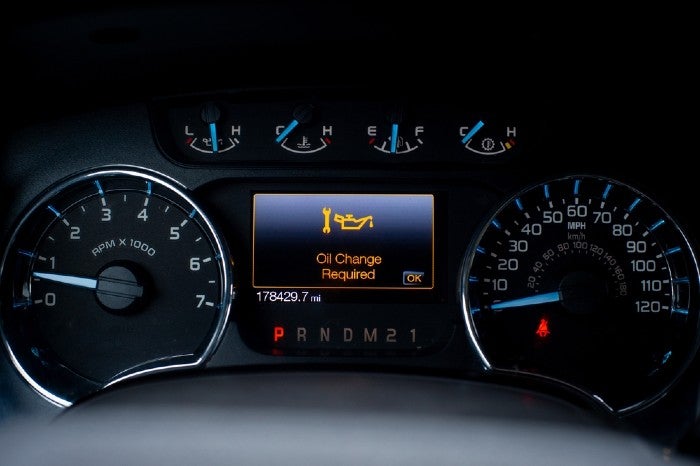
Dashboard reminder to get an oil change

How Often Should You Change Your Oil?

If there is a single maintenance topic that gets asked about more than others, it's how often to change your oil. Many new and returning customers come to United Auto Sales of Utica with this question, and there's no simple answer. Several factors influence when you should change your oil. Read on for information about determining the best oil change interval for your vehicle. Schedule Service Service Specials Contact Us Why it matters Miles driven Synthetic vs. conventional Driving habits Warning signs FAQs Why Oil Changes Are Important Motor oil has several functions beyond lubricating the engine, including cleaning, cooling, and helping prevent the buildup of sludge and other deposits. Motor oil degrades over time and loses some of its protective properties. Failing to change the oil or waiting too long between changes can contribute to poor engine performance and, in extreme cases, expensive engine problems. This is why it's so important to understand how often to change oil. Old oil loses its protective properties, so it needs to be drained and replaced. How Often to Change Your Oil by Miles Driven A general recommendation for oil change intervals can range from approximately 3,000 to 7,500 miles, although some newer vehicles may have recommended intervals that are longer. Actual intervals vary based on factors such as the make and model of your vehicle, the type of oil used, and your driving conditions. 3,000 miles Many older vehicles using conventional oil 7,500+ miles Many newer vehicles using synthetic oil Your owner's manual has the manufacturer's recommended schedule for your vehicle. Many older vehicles using conventional oil have shorter recommended intervals, while newer vehicles using synthetic oil may have recommended intervals of 7,500 miles or more. For the most accurate information, consult your owner's manual, which should provide the manufacturer's recommended oil change schedule. The Difference Between Synthetic and Conventional Oil One of the most important factors affecting your recommended oil change interval is the type of oil used in your vehicle. Conventional motor oil generally requires more frequent changes than full synthetic oil, which is formulated to provide longer-lasting protection under a wider range of conditions. Conventional oil Generally needs more frequent changes Common in older vehicles with shorter recommended intervals Full synthetic oil Formulated for longer-lasting protection in a wider range of conditions Often recommended for newer vehicles, with longer intervals Full synthetic oil is often recommended for newer vehicles and has contributed to longer oil change intervals in many modern vehicles. Always follow the oil specifications and change intervals recommended by your vehicle manufacturer. Driving Practices That Can Impact Oil Change Frequency Factors other than distance traveled can affect how often you should change your oil. Conditions that may require more frequent oil changes include frequent city driving with repeated stops and starts, extended engine idling, regularly towing heavy loads, and exposure to very hot or cold weather. Stop-and-go city driving Extended engine idling Towing heavy loads Very hot or cold weather Frequent short trips Drivers who frequently take short trips and do not allow their vehicles to reach normal operating temperature may also need to follow a more frequent maintenance schedule than drivers who primarily take longer trips. Signs It's Time to Change the Oil in Your Vehicle Early Even if you follow a regular maintenance schedule, other indicators can signal that your vehicle needs service sooner. Signs may include an oil change warning light on the dashboard, unusually dark or contaminated oil, unusual engine noises, or decreased fuel economy. Oil change warning light on the dashboard Unusually dark or contaminated oil Unusual engine noises Decreased fuel economy Addressing potential problems promptly can help prevent more serious engine issues. How to Find a Trusted Oil Change Service in Utica, NY When you need service, arranging an oil change in Utica, NY, or nearby areas can be easy. One advantage of using a reliable oil change service is having trained technicians who can provide service tailored to your particular vehicle rather than relying on a generic maintenance schedule. Technicians can help determine the appropriate oil type and service interval based on your engine, vehicle, and driving habits. Trained technicians can match the oil type and interval to your engine and driving habits. Frequently Asked Questions How frequently should I change the oil if I do mostly highway driving? Highway driving is generally less demanding on your engine than frequent stop-and-go city driving. If you primarily drive on highways, you may be able to follow the longer end of your manufacturer's recommended oil change interval. Always follow the schedule in your owner's manual. Does oil type affect how often oil should be changed? Yes. Synthetic oil generally provides longer-lasting protection than conventional oil, and many newer vehicles have longer maintenance intervals because they are designed to use synthetic oil. The manufacturer's recommended oil type and interval should always take priority. Can I account for time driven rather than miles driven? Yes. Vehicle manufacturers may recommend changing the oil based on mileage or time, whichever comes first. Even vehicles that are driven infrequently may need periodic oil changes because oil can degrade over time. What problems can occur if I don't change my oil often enough? Delaying oil changes can cause motor oil to lose its protective properties, increasing engine wear and potentially contributing to sludge buildup, reduced performance, and other mechanical problems over time. Get Your Oil Changed at United Auto Sales Our team at United Auto Sales in Utica is happy to help you determine an oil change schedule that supports your vehicle's maintenance needs and helps prevent avoidable performance issues. Stop by our dealership for more information when you need an oil change near Utica NY. 4994 Commercial Drive, Yorkville, NY 13495 Schedule Service Hours & Directions

Transmission oil being changed.

How Often Should Transmission Fluid Be Changed?

Schedule a Transmission Service Contact Us Knowing how often to change transmission fluid is one of those maintenance questions drivers think about only when something feels “off.” And by then, it’s usually a little too late. Around United Auto Sales of Utica here in Yorkville, NY, customers ask about transmission care all the time—usually after noticing a slip, a delay, or a strange noise. That’s why having a clear, simple understanding of transmission fluid maintenance matters. It keeps your vehicle shifting smoothly, protects one of the most expensive components under the hood, and helps you avoid repairs you don't want to deal with. Key Takeaways If you’re asking, “How often to change transmission fluid?” The answer typically ranges from 30,000 to 60,000 miles. Clean fluid protects gears, reduces heat, and improves performance. Ignoring fluid changes can lead to slipping, overheating, and costly repairs. A transmission flush may be needed if the fluid is heavily worn. Regular maintenance extends transmission life and saves money in the long term. Why Transmission Fluid Matters More Than You Think Transmission fluid isn’t just a lubricant. It cools, cleans, and protects the gears, clutches, and internal components that keep your vehicle moving. Without clean, healthy fluid, the transmission works harder, heats up faster, and wears down sooner. And once a transmission starts to fail, the repair bill can be… well, let’s just say it’s not something anyone wants to see. That’s why staying on top of your transmission fluid change schedule is one of the smartest things you can do for your vehicle. So, How Often Should Transmission Fluid Be Changed? Most vehicles need a transmission fluid service every 30,000 to 60,000 miles, depending on the model, driving habits, and whether the vehicle tows or hauls heavy loads. Some newer vehicles stretch that interval even further, but “lifetime fluid” doesn’t always mean what it sounds like. Heat, friction, and everyday driving eventually break down the fluid, no matter what the label says. A good rule of thumb? If you’re unsure, check your owner’s manual—or swing by United Auto Sales of Utica and let our service team take a look. They can tell you whether you’re due for a transmission flush or a simple drain-and-fill. Why Changing Transmission Fluid Matters Think of transmission fluid like the lifeblood of your vehicle’s shifting system. When it’s fresh, it keeps everything cool and moving smoothly. When it’s old, it turns dark, gritty, and less effective. Here’s what clean fluid does for your vehicle: Keeps gears shifting smoothly Reduces heat and friction Prevents internal wear Extends transmission lifespan Helps maintain fuel efficiency Skipping fluid changes is a little like skipping oil changes—everything still works for a while, but the long-term damage builds quietly. What Happens If You Don’t Change It? This is where things get expensive. Old transmission fluid can’t protect the system the way it should. Over time, that leads to: Slipping gears Delayed shifting Overheating Grinding or whining noises Complete transmission failure And once a transmission fails, replacement costs can easily climb into the thousands. A routine fluid service? A tiny fraction of that. It’s one of those maintenance tasks that pays for itself many times over. Signs You May Need a Transmission Fluid Change Even if you’re not at the recommended mileage yet, your vehicle may be telling you something. Watch for: Rough or delayed shifting A burning smell Dark or dirty fluid Transmission warning light Slipping between gears If you notice any of these, it’s worth having the system checked sooner rather than later. Transmission Fluid Change vs. Transmission Flush Drivers often ask about the difference between a transmission flush and a standard fluid change. Here’s the quick breakdown: Fluid Change (Drain & Fill): Removes a portion of the old fluid and replaces it with new fluid. Good for routine maintenance. Transmission Flush: Uses a machine to replace nearly all the old fluid. Best when the fluid is heavily worn or contaminated. Your vehicle’s condition determines which service makes the most sense. Our technicians at United Auto Sales of Utica can help you choose the right one. Keep Your Transmission Healthy Protect Your Investment A transmission isn’t something you want to gamble with. Staying on top of your transmission fluid change schedule keeps your vehicle running smoothly and helps you avoid major repairs. Stay Ahead of Problems Catching issues early—before they turn into breakdowns—saves time, money, and stress. Let United Auto Sales of Utica Help Whether you’re unsure about your maintenance schedule or you’ve noticed a few warning signs, the service team here in Yorkville is always ready to help. A quick inspection can give you peace of mind and keep your vehicle shifting the way it should. FAQ: Transmission Fluid & Maintenance How often should transmission fluid be changed? Most vehicles need service every 30,000–60,000 miles, depending on driving conditions. What’s the difference between a transmission fluid change and a transmission flush? A fluid change replaces part of the fluid; a flush replaces nearly all of it. What are the signs that I need a transmission fluid change? Slipping, delayed shifting, dark fluid, or a burning smell. Can old transmission fluid damage my vehicle? Yes—old fluid causes overheating, wear, and potential transmission failure. Does towing or hauling affect transmission fluid life? Absolutely. Heavy loads create more heat, which breaks down fluid faster.

service consultation

Services Offered at United Auto Sales in Yorkville, NY

Learn More About the Services We Offer At United Auto Sales of Utica in Yorkville, NY, we take keeping your vehicle running at its best seriously—and we want the process to feel simple and stress‑free. That’s why we offer a full lineup of essential maintenance and repair services designed to keep you safe, comfortable, and confident every time you hit the road. Below is a quick, easy‑to‑read breakdown of the services we provide every day. Each one plays a key role in helping your vehicle stay reliable for the long haul. Key Takeaways Regular maintenance helps prevent costly repairs and keeps your vehicle performing at its best. Services like brake adjustments, alignments, and tire balancing improve safety and handling. Fluid services—including oil changes, coolant flushes, and transmission flushes—protect major components. Tire rotations and tune‑ups extend the life of your vehicle and improve overall performance. United Auto Sales of Utica services all makes and models, not just vehicles purchased at the dealership. Schedule a Service Today Explore Our Service Specials Contact Us Today Adjust Brakes Brake components naturally wear down over time, which can affect how quickly and smoothly your vehicle stops. A brake adjustment restores proper pressure and responsiveness so you can drive with confidence. Air Conditioner Repair If your A/C starts blowing warm air or making unusual noises, it’s usually a sign that something inside the system needs attention. We diagnose the issue quickly and get your cabin feeling cool and comfortable again. Balance Tires Unbalanced tires can cause vibration, uneven wear, and a rougher ride than you should have to deal with. Tire balancing smooths out rotation and helps extend your tires' life. Coolant Flush Coolant breaks down over time, losing its ability to regulate engine temperature and prevent corrosion. A coolant flush replaces old fluid with fresh coolant to keep your engine protected and running efficiently. Engine Tune‑Up If your vehicle feels sluggish or isn’t getting the fuel economy it used to, an engine tune‑up can help restore performance. This service ensures that key components like spark plugs and filters are working as they should. Front‑End Alignment A proper alignment keeps your vehicle tracking straight and prevents premature tire wear. If your steering wheel pulls to one side, an alignment can quickly correct the issue. Oil Change Fresh oil keeps your engine lubricated and prevents harmful buildup that can lead to major repairs. Staying on schedule with oil changes is one of the easiest ways to protect your vehicle in the long term. Replace Muffler A worn or damaged muffler can cause loud exhaust noise and reduced efficiency. Replacing it restores quiet operation and helps your vehicle run more smoothly. Tire Rotation Rotating your tires helps them wear evenly, improving traction and extending their lifespan. It’s a simple service that makes a noticeable difference in your vehicle's handling. Transmission Flush Transmission fluid breaks down over time, which can lead to rough shifting or long‑term damage. A transmission flush replaces old fluid with clean, manufacturer‑recommended fluid to keep your transmission performing reliably. Keeping Your Vehicle Running Strong Staying on top of routine maintenance doesn’t just protect your vehicle—it protects your peace of mind. At United Auto Sales of Utica, our team is here to help you understand what your vehicle needs and make every visit as smooth and straightforward as possible. Whether you’re stopping in for a quick oil change or tackling a bigger repair, we’re committed to keeping your vehicle safe, efficient, and ready for the road ahead. FAQ Do I need to make an appointment for service, or can I just walk in? Appointments are recommended for the quickest service, but walk‑ins are welcome when availability allows. How often should I rotate my tires? Most vehicles benefit from a rotation every 5,000 to 7,500 miles, depending on driving habits and tire type. What’s included in an engine tune‑up? A tune‑up typically includes spark plug replacement, filter checks, ignition inspection, and an overall performance evaluation. Why is a coolant flush necessary? Coolant breaks down over time and can become contaminated, reducing its ability to regulate engine temperature and prevent corrosion. Can you service any make or model, or just vehicles bought at your dealership? We service all makes and models—whether you purchased your vehicle from us or somewhere else.