

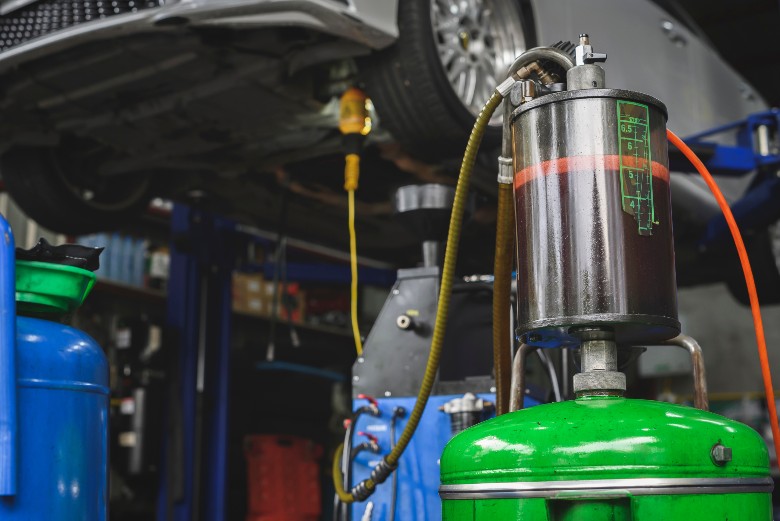
Knowing how often to change transmission fluid is one of those maintenance questions drivers think about only when something feels “off.” And by then, it’s usually a little too late. Around United Auto Sales of Utica here in Yorkville, NY, customers ask about transmission care all the time—usually after noticing a slip, a delay, or a strange noise. That’s why having a clear, simple understanding of transmission fluid maintenance matters. It keeps your vehicle shifting smoothly, protects one of the most expensive components under the hood, and helps you avoid repairs you don’t want to deal with.
Key Takeaways
- If you’re asking, “How often to change transmission fluid?” The answer typically ranges from 30,000 to 60,000 miles.
- Clean fluid protects gears, reduces heat, and improves performance.
- Ignoring fluid changes can lead to slipping, overheating, and costly repairs.
- A transmission flush may be needed if the fluid is heavily worn.
- Regular maintenance extends transmission life and saves money in the long term.
Why Transmission Fluid Matters More Than You Think
Transmission fluid isn’t just a lubricant. It cools, cleans, and protects the gears, clutches, and internal components that keep your vehicle moving. Without clean, healthy fluid, the transmission works harder, heats up faster, and wears down sooner. And once a transmission starts to fail, the repair bill can be… well, let’s just say it’s not something anyone wants to see.
That’s why staying on top of your transmission fluid change schedule is one of the smartest things you can do for your vehicle.
So, How Often Should Transmission Fluid Be Changed?
Most vehicles need a transmission fluid service every 30,000 to 60,000 miles, depending on the model, driving habits, and whether the vehicle tows or hauls heavy loads. Some newer vehicles stretch that interval even further, but “lifetime fluid” doesn’t always mean what it sounds like. Heat, friction, and everyday driving eventually break down the fluid, no matter what the label says.
A good rule of thumb?
If you’re unsure, check your owner’s manual—or swing by United Auto Sales of Utica and let our service team take a look. They can tell you whether you’re due for a transmission flush or a simple drain-and-fill.
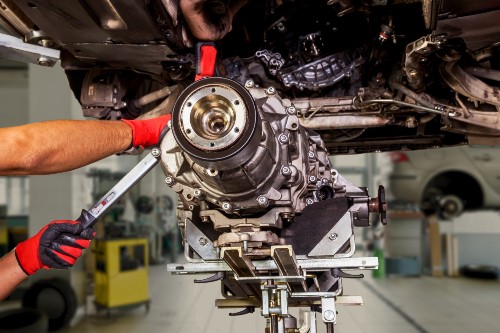
Why Changing Transmission Fluid Matters
Think of transmission fluid like the lifeblood of your vehicle’s shifting system. When it’s fresh, it keeps everything cool and moving smoothly. When it’s old, it turns dark, gritty, and less effective.
Here’s what clean fluid does for your vehicle:
- Keeps gears shifting smoothly
- Reduces heat and friction
- Prevents internal wear
- Extends transmission lifespan
- Helps maintain fuel efficiency
Skipping fluid changes is a little like skipping oil changes—everything still works for a while, but the long-term damage builds quietly.
What Happens If You Don’t Change It?
This is where things get expensive. Old transmission fluid can’t protect the system the way it should. Over time, that leads to:
- Slipping gears
- Delayed shifting
- Overheating
- Grinding or whining noises
- Complete transmission failure
And once a transmission fails, replacement costs can easily climb into the thousands. A routine fluid service? A tiny fraction of that.
It’s one of those maintenance tasks that pays for itself many times over.
Signs You May Need a Transmission Fluid Change
Even if you’re not at the recommended mileage yet, your vehicle may be telling you something. Watch for:
- Rough or delayed shifting
- A burning smell
- Dark or dirty fluid
- Transmission warning light
- Slipping between gears
If you notice any of these, it’s worth having the system checked sooner rather than later.
Transmission Fluid Change vs. Transmission Flush
Drivers often ask about the difference between a transmission flush and a standard fluid change.
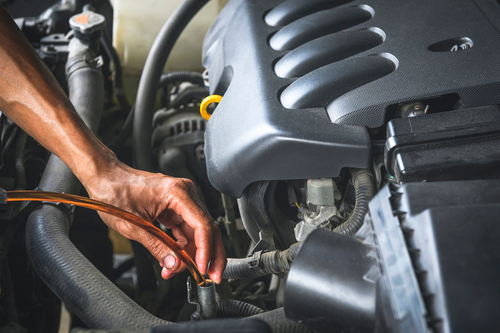
Here’s the quick breakdown:
Fluid Change (Drain & Fill):
- Removes a portion of the old fluid and replaces it with new fluid. Good for routine maintenance.
Transmission Flush:
Uses a machine to replace nearly all the old fluid. Best when the fluid is heavily worn or contaminated.
Your vehicle’s condition determines which service makes the most sense. Our technicians at United Auto Sales of Utica can help you choose the right one.
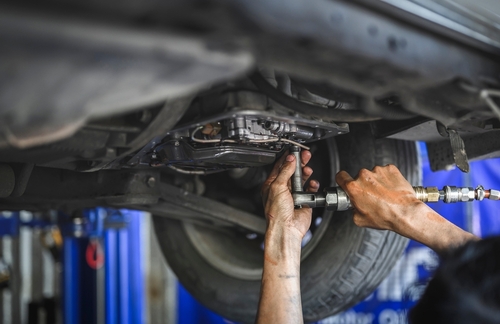
Keep Your Transmission Healthy
Protect Your Investment
A transmission isn’t something you want to gamble with. Staying on top of your transmission fluid change schedule keeps your vehicle running smoothly and helps you avoid major repairs.
Stay Ahead of Problems
Catching issues early—before they turn into breakdowns—saves time, money, and stress.
Let United Auto Sales of Utica Help
Whether you’re unsure about your maintenance schedule or you’ve noticed a few warning signs, the service team here in Yorkville is always ready to help. A quick inspection can give you peace of mind and keep your vehicle shifting the way it should.
FAQ: Transmission Fluid & Maintenance
How often should transmission fluid be changed?
Most vehicles need service every 30,000–60,000 miles, depending on driving conditions.
What’s the difference between a transmission fluid change and a transmission flush?
A fluid change replaces part of the fluid; a flush replaces nearly all of it.
What are the signs that I need a transmission fluid change?
Slipping, delayed shifting, dark fluid, or a burning smell.
Can old transmission fluid damage my vehicle?
Yes—old fluid causes overheating, wear, and potential transmission failure.
Does towing or hauling affect transmission fluid life?
Absolutely. Heavy loads create more heat, which breaks down fluid faster.
Connect with us


- August 2026
- July 2026
- June 2026
- May 2026
- April 2026
- March 2026
- February 2026
- January 2026
- December 2025
- November 2025
- October 2025
- September 2025
- August 2025
- July 2025
- June 2025
- May 2025
- April 2025
- March 2025
- February 2025
- January 2025
- December 2024
- November 2024
- October 2024
- September 2024
- August 2024
- May 2024
- April 2024
- January 2024
- December 2023
- November 2023
- October 2023
- August 2023
- July 2023
- May 2023
- April 2023
- February 2023
- November 2022
- September 2022
- July 2022
- June 2022
- May 2022
- January 2022
- December 2021
- November 2021
- October 2021
- September 2021
- August 2021
- July 2021
- April 2021
- March 2021
- February 2021
- July 2020
- May 2020
- March 2020
- February 2020
- January 2020
- November 2019
- October 2019
- September 2019
- August 2019
- July 2019
- June 2019
- May 2019
- April 2019