

When Is the Best Time to Buy a Used Car?
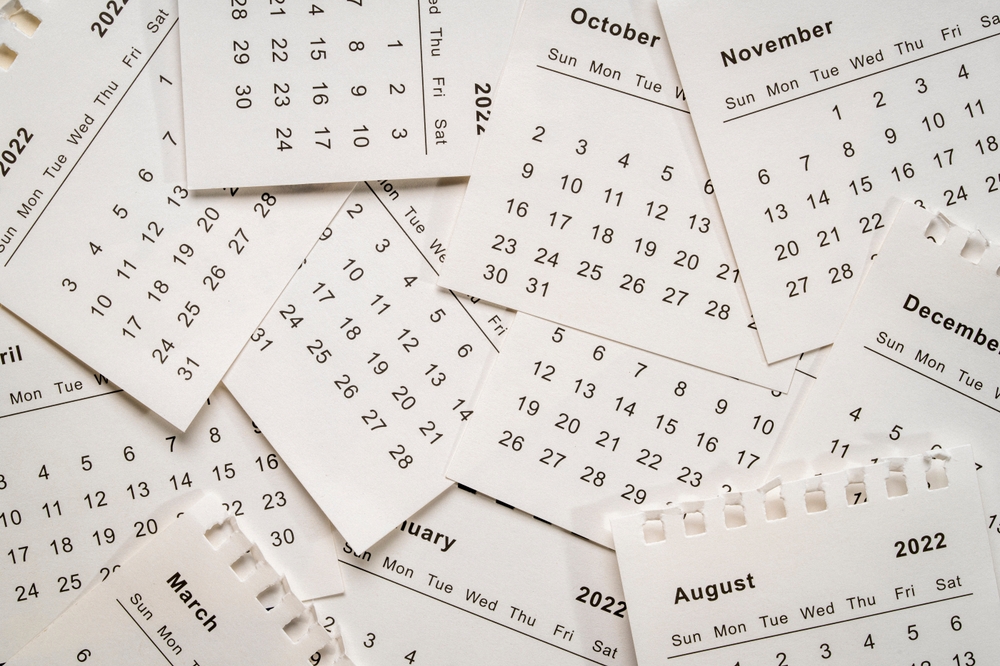
Knowing when is the best time to buy a used car can make a real difference in how much you pay and what kind of vehicle you drive home. At United Auto Sales of Utica in Yorkville, NY, shoppers often ask whether timing truly matters. And the honest answer? It absolutely does. Prices shift throughout the year, inventory changes with the seasons, and certain events bring opportunities you won’t find at any other time.
If you’re trying to stretch your budget, get more features for your money, or simply want the widest selection, understanding the rhythm of the used‑car market gives you a major advantage.
Seasonal Timing: The Best Months to Shop
Different times of the year bring different benefits, and some months consistently stand out for used‑car shoppers.

End of the Year (October–December)
This is widely considered one of the strongest windows for used‑car deals. Dealerships are closing out the year, adjusting inventory, and preparing for tax season. That combination often leads to more competitive pricing and a larger mix of trade‑ins.
Late Summer (August–September)
New model years start arriving, which means more trade‑ins from drivers upgrading to the latest version. This creates a healthy selection of used sedans, SUVs, and trucks—often with lower mileage.
Early Spring (March–April)
As the weather warms up, more people start trading in vehicles. If you’re someone who values selection over price, spring is a great time to explore options.
Event Sales: Hidden Opportunities Many Shoppers Miss
Event sales can be some of the best times to buy—especially in the used market.
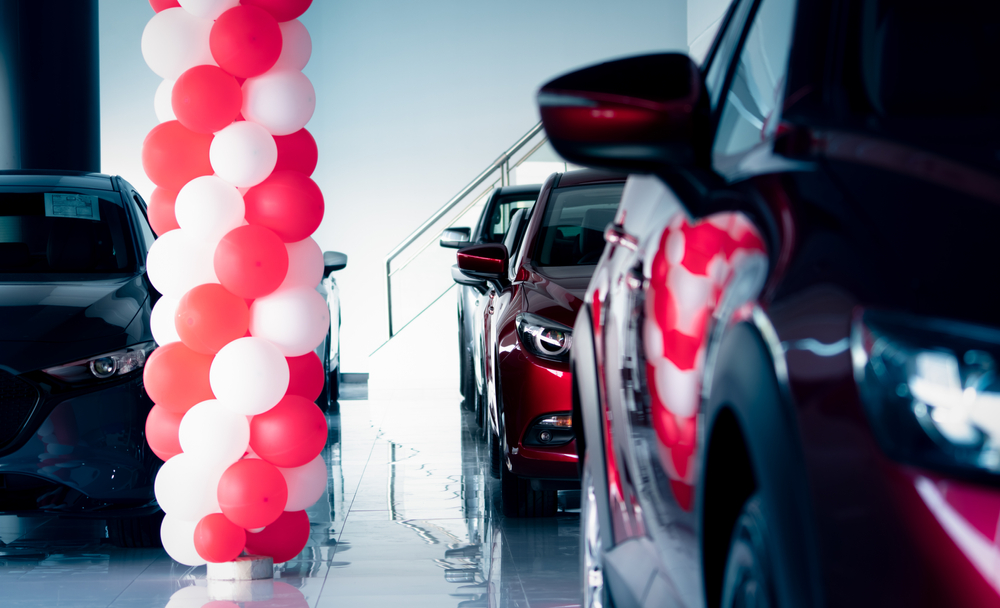
Holiday Weekends
Memorial Day, Labor Day, and Black Friday are known for strong incentives. Even for used vehicles, these weekends bring competitive pricing and motivated shoppers.
Dealership Anniversary Sales
United Auto Sales of Utica often hosts anniversary or seasonal events. These aren’t just marketing moments—they’re real opportunities to save because the dealership is focused on moving inventory quickly.
Tax Season Sales (February–April)
Many shoppers use tax refunds toward a vehicle purchase. Dealerships respond by expanding inventory and offering attractive pricing to meet demand.
End‑of‑Quarter Events
March, June, September, and December often bring additional flexibility as dealerships work toward quarterly goals.
If you’ve ever wondered whether event sales are worth paying attention to, the answer is yes—they can be some of the most rewarding times to shop.
Monthly Timing: Why the End of the Month Helps
If you’ve heard that the end of the month is a good time to buy, there’s truth to it. Dealerships often work toward monthly goals, and as the calendar closes in, pricing can become more flexible. It’s not about pressure—it’s simply about timing your visit when the store is most motivated to move inventory.
Stopping by United Auto Sales of Utica during the last week of the month can sometimes give you a little extra room to find the right deal at the right moment.
Day‑to‑Day Timing: Small Details That Help
Even the day of the week can influence your shopping experience.
- Weekdays are quieter, giving you more time to browse and ask questions.
- Evenings offer a slower pace and more one‑on‑one attention.
- Saturdays are busy but bring the most inventory movement—great if you want to see what’s new on the lot.
These aren’t rules, but they’re helpful patterns to keep in mind.

Why Buying Used Is Already a Smart Move
Even before you think about timing, buying used comes with built‑in advantages:
- Lower upfront cost
- Slower depreciation
- More features for your budget
- Wider selection of years and trims
- Thorough inspections for added confidence
When you combine these benefits with smart timing, you’re setting yourself up for the best possible buying experience.
The Right Time Is When Preparation Meets Opportunity
Understanding when is the best time to buy a used car gives you an advantage, but pairing that knowledge with a trusted dealership makes the process even smoother. At United Auto Sales of Utica, our team works year‑round to offer fair pricing, quality vehicles, and a no‑pressure experience—no matter what month it is.
Whether you’re shopping during a major event sale or simply ready to upgrade, the right used car is waiting for you. And when you know how timing works, you’re already ahead of the game.
FAQ: Buying a Used Car
Is it cheaper to buy a used car at the end of the year?
Yes. End‑of‑year months often bring competitive pricing as dealerships clear out inventory and prepare for the new year.
Do used car prices drop in winter?
They can. Winter is typically slower for car shopping, which sometimes leads to better pricing and more flexible negotiations.
Are holiday weekends really better for car shopping?
Absolutely. Holiday events often include special pricing, expanded inventory, and dealership incentives.
How far in advance should I start shopping?
Most shoppers benefit from starting 2–4 weeks early. This gives you time to compare models, watch pricing trends, and test‑drive multiple vehicles.
What’s the best month to buy a used SUV or truck?
Late summer and end‑of‑year months tend to offer the best mix of selection and pricing for larger vehicles.
What to Look for When Buying a Used Car

Buying a used car can feel exciting, overwhelming, and practical all at once. Drivers around Yorkville stop by United Auto Sales of Utica every day with the same goal: finding a dependable vehicle that fits their lifestyle and budget. And honestly, that’s exactly what a good used‑car buying experience should be—straightforward, transparent, and confidence‑boosting. When you know what to look for when buying a used car, the whole process becomes a lot easier.
Below is a full breakdown of what matters most, why buying used is a smart move, and what you’ll need to bring when you’re ready to take the next step.
Key Takeaways
- A solid “What to look for when buying a used car checklist” helps you stay focused on the essentials.
- Buying used offers major benefits, such as lower cost, slower depreciation, and more features for your budget.
- Always review the vehicle history, mechanical condition, and test‑drive performance.
- Bring the right documents to make the buying process smooth and quick.
- With questions to ask when buying a used car, you understand the vehicle’s past and long‑term reliability.
What to Look for in a Quality Used Car
When you’re shopping for a pre‑owned vehicle, it helps to slow down and look at the details that really tell the story of a car’s past. A clean exterior is nice, but the real value is in the condition, history, and long‑term reliability.
- Vehicle history — A history report gives insight into accidents, ownership history, mileage accuracy, and service records. If anything looks inconsistent, it’s worth asking about.
- Mechanical condition — Listen for odd noises, check for leaks, and pay attention to how the engine idles. A smooth, quiet test drive says a lot.
- Mileage vs. maintenance — A well‑maintained vehicle with higher miles can be a better buy than a low‑mileage car that’s been neglected.
- Interior wear — Excessive wear on seats, buttons, or pedals can hint at harder use than the odometer suggests.
- Test‑drive feel — How does it accelerate? Brake? Handle bumps? A test drive reveals more than any spec sheet.
This is where a “What to look for when buying a used car checklist” really comes in handy. It keeps you focused on the essentials instead of getting distracted by shiny paint or a cool feature.
The Benefits of Buying Used
There’s a reason so many shoppers choose pre‑owned vehicles—they simply make sense.
- Lower upfront cost — You get more car for your money, whether that means a higher trim level or a newer model year.
- Slower depreciation — New cars lose value quickly. Used cars hold their value better because the steepest drop has already happened.
- Lower insurance costs — Many used vehicles cost less to insure, which helps keep ownership affordable.
- More options within budget — Want leather seats? A sunroof? Advanced safety features? Buying used often puts those upgrades within reach.
- Proven reliability — When a model has been on the road for a few years, you can see real‑world reliability ratings and owner experiences.
United Auto Sales of Utica sees this every day—drivers walk in thinking they need to compromise, and walk out realizing they can get everything they wanted without stretching their budget.
What You Need to Buy a Used Car
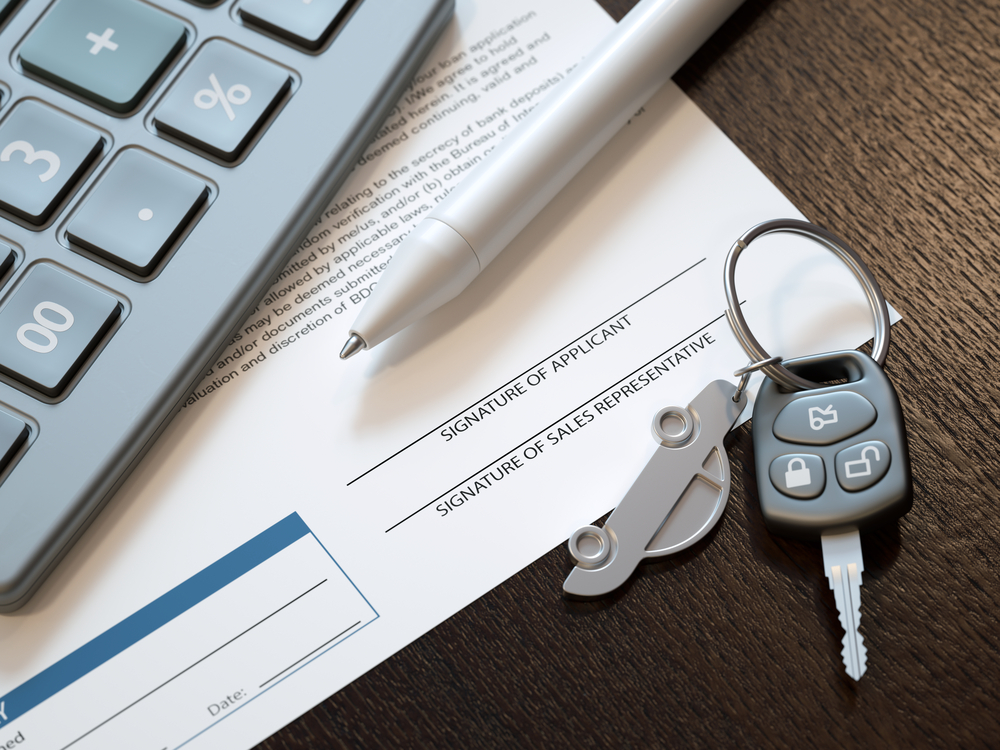
Once you’ve found the right vehicle, the next step is making sure you have the right documents. Fortunately, it’s a short list.
- Driver’s license — Needed for the test drive and the purchase.
- Proof of insurance — Required before you can drive off the lot.
- Proof of income — Often needed if you’re financing.
- Proof of residence — A utility bill or lease agreement usually works.
- Trade‑in documents — If you’re trading in a vehicle, bring the title, registration, and keys.
If you’re financing, our team at United Auto Sales of Utica can walk you through the process step by step. Many shoppers are surprised by how simple it actually is.

Smart Tips for Buying a Used Car
A few extra steps can make a big difference in your long‑term satisfaction.
- Compare similar models to understand pricing and features.
- Ask for service records to confirm proper maintenance.
- Check ownership costs like fuel economy, insurance, and repair history.
- Look at tire condition—uneven wear can signal alignment or suspension issues.
- Trust your instincts—if something feels off, it’s worth pausing.
These tips for buying a used car help you stay focused on long‑term value instead of short‑term excitement.
Finding the Right Used Car Starts with the Right Information
Knowing what to look for when buying a used car gives you the confidence to make a smart, informed decision. From transparent history reports to helpful guidance, the team makes the process feel simple, honest, and stress‑free.

FAQ: Buying a Used Car
What’s the most important thing to check on a used car?
The vehicle history and mechanical condition tell you the most about long‑term reliability.
How many miles is too many for a used car?
It depends more on maintenance than mileage alone.
Should I buy from a dealership or a private seller?
Dealerships offer more protection, inspections, and financing options.
Can I finance a used car?
Yes—most buyers do, and the process is often simpler than expected.
What questions should I ask before buying?
Start with maintenance history, accident history, ownership details, and warranty options.
Used Nissan Frontier Review: Why It’s One of the Smartest Used Truck Buys in Upstate NY
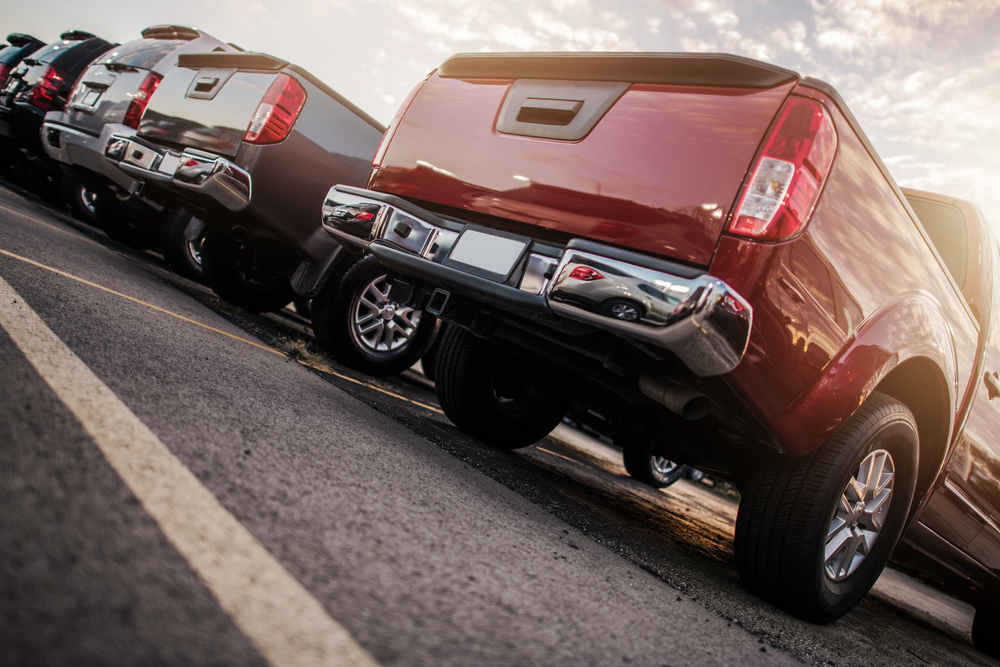
Something is refreshing about a truck that doesn’t try too hard, and that’s exactly why the used Nissan Frontier continues to be such a standout choice for drivers around Yorkville and the greater Utica area. Around United Auto Sales of Utica, customers often want a midsize pickup that’s tough, dependable, and priced right—without all the unnecessary fluff. The Frontier fits that description perfectly. It’s the kind of Nissan truck that feels built for real life, whether that means weekend projects, snowy commutes, or towing a small trailer upstate.
And honestly, when people ask “Is the Nissan Frontier a good truck?” the answer becomes pretty clear once they get behind the wheel.
Key Takeaways
- Used Nissan Frontier value — Affordable pricing and strong long-term reliability.
- Frontier performance — V6 power and confident handling make it a capable daily driver.
- Nissan truck durability — Built to last with simple, proven engineering.
- Frontier safety features — Solid safety tech depending on model year.
- Is the Nissan Frontier a good truck? — Yes, especially for buyers who want capability without overspending.
Power & Performance That Doesn’t Quit
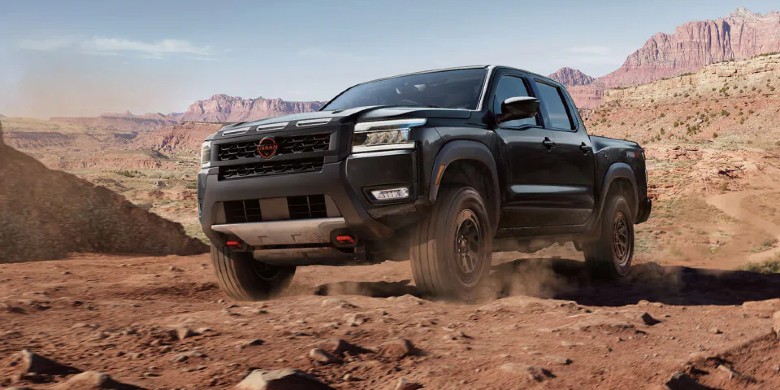
One of the biggest reasons shoppers gravitate toward a used Frontier is its powertrain. Nissan has always kept things simple under the hood—strong V6 engines, smooth-shifting transmissions, and a chassis that feels planted and confident. Even older models deliver the kind of low-end torque that makes towing and hauling feel effortless.
The Frontier’s steering feels solid, the suspension handles rough pavement without drama, and the truck has a way of making everyday driving feel easy. It’s not trying to be a luxury cruiser; it’s trying to be a truck. And it succeeds.
Reliability That’s Earned Its Reputation
If there’s one thing the Frontier is known for, it’s reliability. These trucks are famous for racking up miles with minimal fuss. Owners often keep them for a decade or more, and used models tend to hold up exceptionally well thanks to Nissan’s straightforward engineering.
There’s a reason so many used Frontier shoppers come in already knowing what they want. They’ve heard the stories—trucks that just keep going, even after years of towing, hauling, and winter driving. That kind of reputation doesn’t happen by accident.
Pricing That Makes Sense
Used truck prices can get a little wild these days, especially when you start looking at full-size models. The Frontier, though, stays in a sweet spot. It’s affordable, capable without being overbuilt, and practical without sacrificing comfort.
For many buyers, it hits that perfect middle ground: a truck that does everything they need without stretching the budget. And because the Frontier holds its value well, it’s a smart long-term investment too.
Safety Features That Inspire Confidence
Depending on the model year, used Frontiers can come with a solid list of safety features—everything from stability control to advanced airbag systems to available backup cameras. Newer used models may also include driver-assist tech like blind-spot monitoring or rear cross-traffic alert.
Even without the latest gadgets, the Frontier’s sturdy build and predictable handling give drivers confidence on the road. It’s the kind of truck that feels steady in bad weather and sure-footed on uneven terrain.
Tech & Interior Comfort
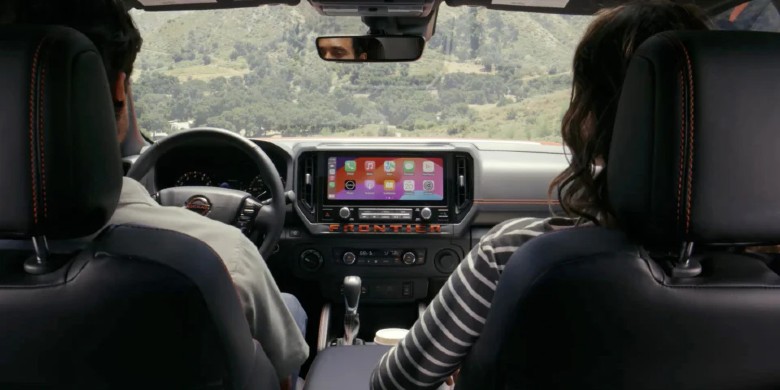
The Frontier’s cabin has always been designed with practicality in mind. Controls are simple, materials are durable, and the seating position feels natural. Depending on the year, you’ll find features like:
- Touchscreen infotainment
- Bluetooth connectivity
- Smartphone integration
- Premium audio options
- USB ports and navigation
It’s not trying to be a luxury SUV, but it offers enough modern tech to keep daily driving comfortable and convenient.
Why the Frontier Makes a Perfect Used Truck
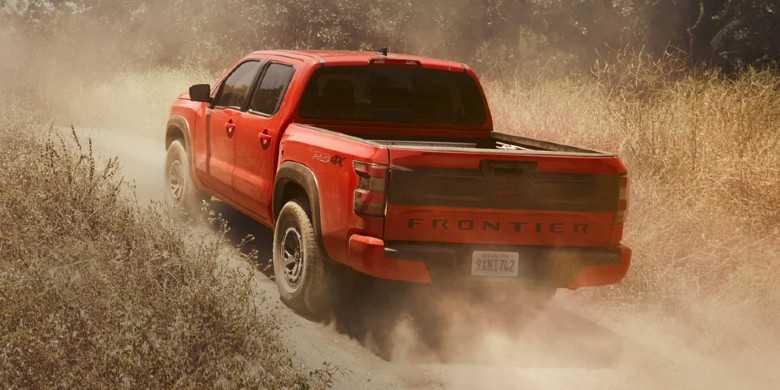
When you put everything together—price, reliability, capability, and comfort—it’s easy to see why the Frontier is such a popular used truck in Upstate NY. It’s built for real-world use, not just for show. And that’s exactly what many drivers want.
Whether someone needs a dependable work truck, a weekend adventure vehicle, or a daily driver that can handle winter roads, the Frontier checks all the right boxes.
A Used Frontier Just Makes Sense
At the end of the day, the used Nissan Frontier stands out for delivering what matters most: strength, dependability, and value. It’s a truck that feels honest—built to work hard, last long, and stay affordable. For drivers around Yorkville and Utica, that combination is tough to beat.
United Auto Sales of Utica continues to see shoppers choose the Frontier because it simply fits their lifestyle. If you’re looking for a midsize pickup that won’t let you down, this Nissan truck deserves a serious look.
FAQ
Is the Nissan Frontier a good truck?
Yes. It’s known for reliability, strong V6 performance, and excellent long-term value.
How long does a Nissan Frontier last?
Many owners report Frontiers lasting well over 200,000 miles with proper maintenance.
Is a used Nissan Frontier good for towing?
Absolutely. Depending on the year and configuration, towing capacity can exceed 6,000 lbs.
Are Frontiers affordable?
Yes. They’re typically priced lower than many competing midsize trucks while offering similar capability.
What should I look for when buying a used Frontier?
Check service history, mileage, frame condition, and any signs of heavy towing or off-road use.
At United Auto Sales of Utica, we believe hard work deserves to be recognized—and lately, we’ve had plenty to celebrate!
We’re proud to announce that our team has achieved our internal sales goals for three consecutive months. These goals are established by our owners, Joe Steet Sr. and Joe Steet Jr., and reaching them is a testament to the dedication, teamwork, and commitment our staff brings to work every single day.
To celebrate these accomplishments, Joe Sr. and Joe Jr. treat the team to a well-deserved night out. It’s a tradition that gives everyone an opportunity to relax, recharge, and enjoy each other’s company outside of the dealership after a successful month.
Over the past three months, we’ve enjoyed some fantastic local dining experiences, including:
- Ventura’s Restaurant in Utica
- Roman’s at the View on the Parkway in Utica
- The Black Stallion Restaurant in Vernon

These outings are more than just a reward—they’re a reflection of the family atmosphere that makes United Auto Sales and the Steet Ponte Auto Group such a special place to work. We know that our success starts with our people, and taking time to celebrate together helps strengthen the relationships that drive our team forward.
Of course, none of this would be possible without our amazing customers. Every vehicle purchase, referral, and positive review helps us continue to grow and achieve our goals. We are incredibly grateful for the trust our customers place in us and for the opportunity to serve the Mohawk Valley community.
As we celebrate this exciting milestone, we’re already focused on the months ahead. Our team remains committed to providing exceptional customer service, quality vehicles, and the easy, transparent buying experience that our customers have come to expect.
Congratulations to the entire United Auto Sales team on an incredible three-month streak—and here’s to keeping the momentum going!
Thank you for helping us achieve our goals and making United Auto Sales of Utica a place where success is truly a team effort.
What Are the Most Reliable Used Cars to Buy?

When shoppers stop by United Auto Sales of Utica here in Yorkville, NY, one of the first things they usually ask is simple: “What are the most reliable cars to buy used?” It’s a fair question—nobody wants surprises after driving off the lot. That’s why our team here keeps a strong lineup of dependable, long-lasting vehicles ready for anyone looking for the best used cars without stretching their budget.
Reliability isn’t just about a nameplate. It’s about real-world performance, low maintenance costs, and how well a vehicle holds up after years of commuting, road trips, and everyday life. The good news? Several models consistently rise to the top, and many of them are available on our lot today.
Below is a closer look at 10 of the best-value used cars known for longevity, low ownership costs, and everyday dependability.
Key Takeaways
- Reliable models — These ten vehicles are among the most reliable cars on the market.
- Best used options — Each model offers long-term dependability and strong value.
- Low ownership costs — These vehicles are known for affordable maintenance and repairs.
- Great value — They rank among the best value used cars for budget-conscious buyers.
- Available locally — Many of these models are available today at United Auto Sales of Utica.
Honda Civic
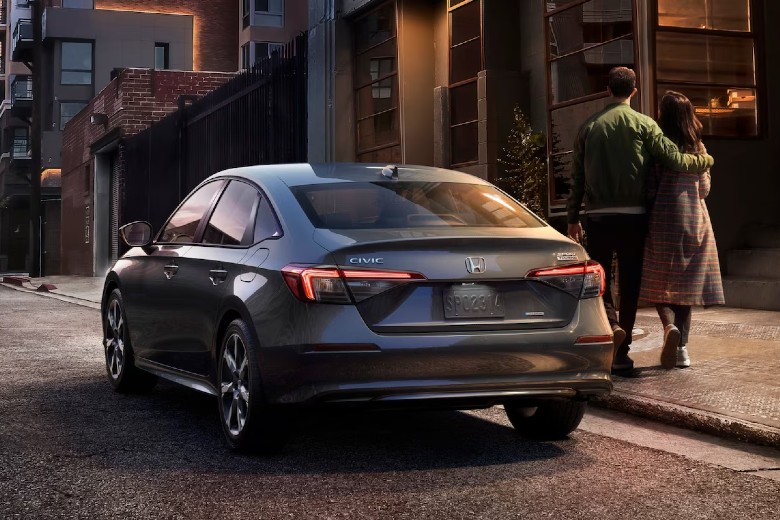
The Honda Civic has been a go-to choice for decades, and it’s easy to see why. It’s efficient, comfortable, and built to last well past the 200,000‑mile mark with proper care. Drivers love how it blends sporty handling with everyday practicality. When people talk about the most reliable used car, the Civic almost always makes the list.
Subaru Impreza
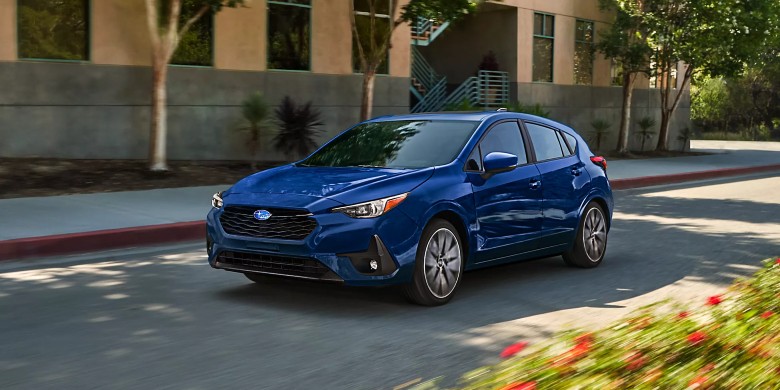
If you’re looking for all-weather confidence, the Subaru Impreza is tough to beat. Standard all-wheel drive, solid crash-test ratings, and a reputation for long-term durability make it a favorite among Upstate New York drivers. Snowy mornings? No problem. The Impreza handles them with ease.
Kia Soul
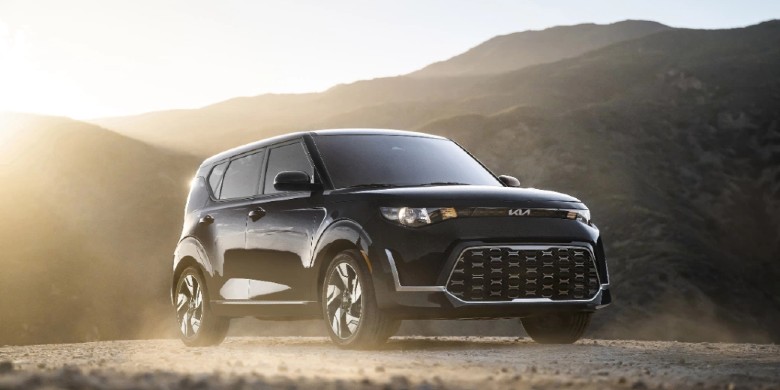
The Kia Soul stands out for its unique design, roomy interior, and surprising reliability. It’s one of those vehicles that feels bigger on the inside than it looks on the outside. Plus, its long-lasting powertrains and low maintenance costs make it one of the best value used cars for budget-conscious shoppers.
Buick Encore
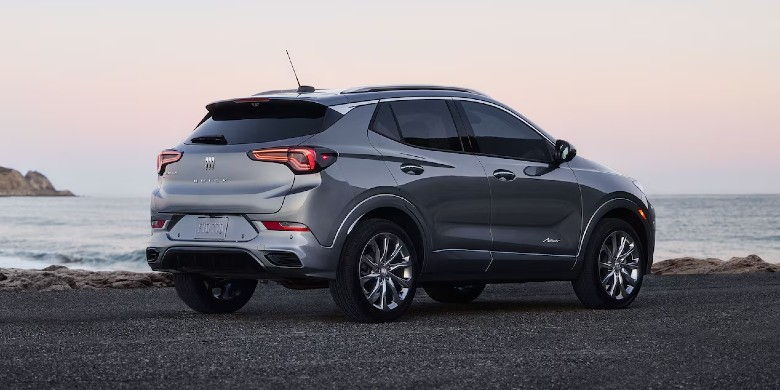
Small SUVs are incredibly popular, and the Buick Encore is one of the most dependable options in the segment. It offers a smooth ride, upscale feel, and excellent fuel economy. Many drivers appreciate how easy it is to maneuver around town while still enjoying the versatility of an SUV.
Ford Escape
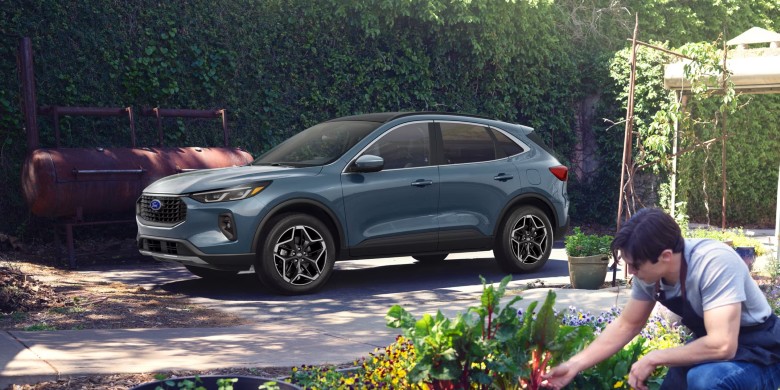
The Ford Escape has been a reliable family favorite for years. With plenty of cargo space, comfortable seating, and strong engine options, it’s built for everyday life. Whether you’re commuting, running errands, or heading out for a weekend getaway, the Escape delivers consistent performance.
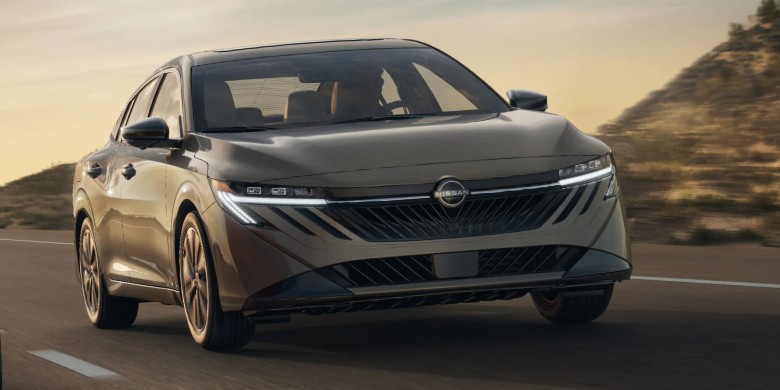
Nissan Sentra
The Nissan Sentra is known for being simple, efficient, and incredibly dependable. It’s a great choice for anyone who wants a low-maintenance sedan that still feels modern and comfortable. Many Sentra owners report years of trouble-free driving, which is exactly what shoppers want in a used vehicle.
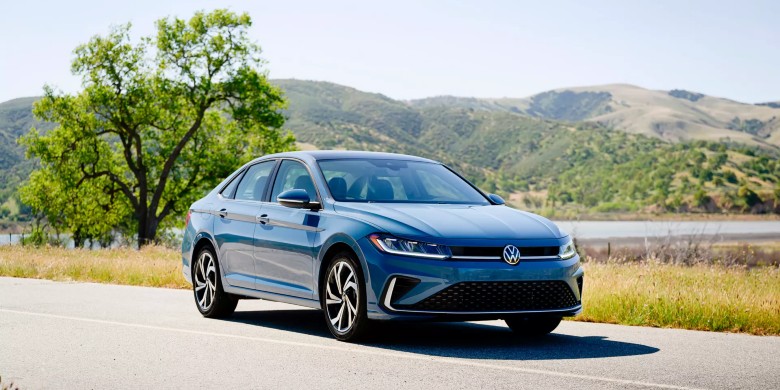
Volkswagen Jetta
The Volkswagen Jetta brings a European feel to the compact sedan world. It’s solid, refined, and surprisingly fun to drive. The Jetta’s long-term reliability has made it a standout choice for drivers who want something practical but not boring. It’s one of those cars that quietly earns loyalty year after year.
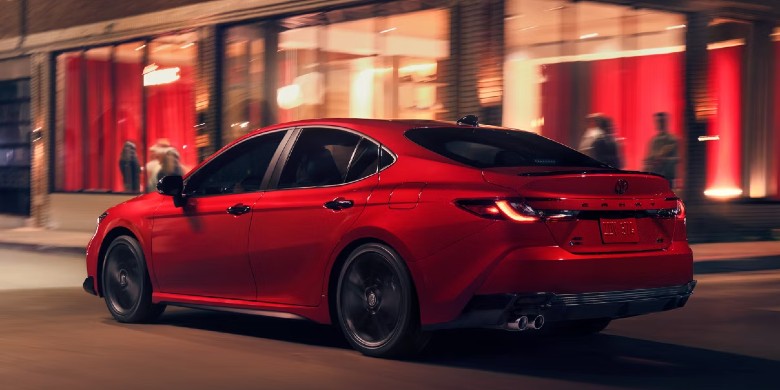
Toyota Camry
If there were a trophy for long-term dependability, the Toyota Camry would win it repeatedly. It’s one of the most reliable cars ever built, and used models are known to last well into high mileage with minimal issues. Smooth, quiet, and incredibly consistent, the Camry is always a smart buy.
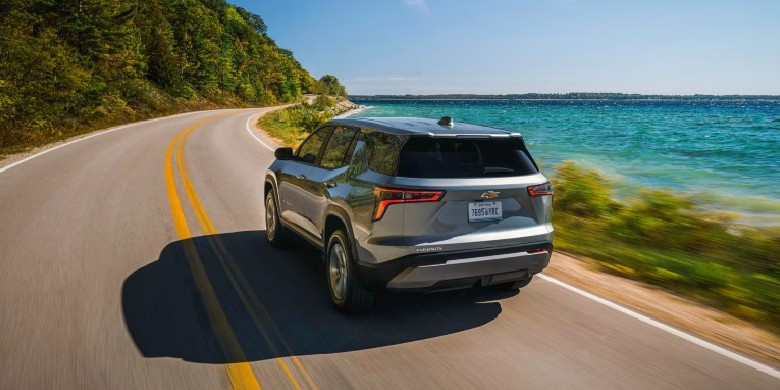
Chevy Equinox
The Chevy Equinox is a favorite among families who want a comfortable, reliable SUV without the hefty price tag. It offers a roomy cabin, strong safety ratings, and a reputation for durability. Many shoppers appreciate how well the Equinox balances performance and practicality.
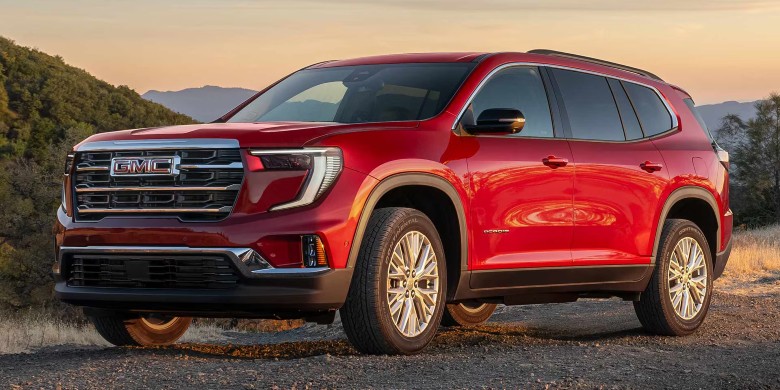
GMC Acadia
For drivers who need more space, the GMC Acadia delivers. With three rows, a comfortable ride, and dependable V6 power, it’s built for busy families and long trips. The Acadia’s reliability record makes it one of the best used cars to buy when you want something larger without sacrificing peace of mind.
Why These Models Stand Out
What ties all these vehicles together? They’ve earned their reputations through years of real-world performance. These models consistently show lower-than-average repair costs, strong safety ratings, and long-term durability. That’s exactly why United Auto Sales of Utica keeps them stocked—because customers deserve options they can trust.
And the best part? Many of these dependable models are available on our lot right now. Whether you’re looking for a compact sedan, a small SUV, or a spacious family hauler, there’s something here that fits your lifestyle and your budget.
Choosing a Reliable Used Car Has Never Been Easier
Finding the most reliable used car doesn’t have to feel overwhelming. When you focus on proven models with strong track records—like the Civic, Camry, Equinox, and others—you’re already ahead of the game. And with a dealership that stands behind every vehicle it sells, you can shop with confidence.
United Auto Sales of Utica is here to help you compare options, explore features, and drive home in a vehicle that’ll serve you well for years. Reliable used cars aren’t just a promise—they’re something we deliver every day.
FAQ
What makes a used car reliable?
Reliability comes from strong engineering, low repair frequency, and proven long-term performance.
How many miles is too many for a used car?
It depends on maintenance history, but many reliable models easily exceed 150,000–200,000 miles.
Are used SUVs reliable?
Absolutely—models like the Chevy Equinox, Buick Encore, and GMC Acadia are known for long-term dependability.
Which used car lasts the longest?
The Toyota Camry and Honda Civic are often praised for exceptional longevity.
Does United Auto Sales of Utica inspect its used cars?
Yes, every vehicle undergoes a thorough inspection before it’s listed for sale.
How Long Can You Finance a Used Car?
When shoppers stop by United Auto Sales of Utica here in Yorkville, one of the first questions that comes up—right after finding the right vehicle—is “How long can you finance a used car?” It’s a fair question. Used‑car financing works a little differently than new‑car loans, and understanding your options can make the whole process feel a lot smoother. Whether someone’s buying their first car or upgrading to something more reliable, knowing the ins and outs of loan terms helps set expectations before signing anything.
Key Takeaways
- Used‑car loan terms typically range from 24 to 84 months.
- Short‑term loans cost less overall but have higher monthly payments.
- Long‑term loans offer lower payments but more interest over time.
- The car loan year(term) limit depends on the lender, vehicle age, and credit.
- Getting a loan is a simple step‑by‑step process with the right dealership support.
How Long Can You Finance a Used Car?
The short answer: most used‑car loans range from 24 to 84 months, depending on the lender, the vehicle’s age, and the buyer’s credit profile. Some lenders cap used‑car terms at 60 or 72 months, while others stretch further. That’s where the car loan year limit comes into play—every bank or credit union has its own rules.
At United Auto Sales of Utica, customers often choose terms between 48 and 72 months because it strikes a nice balance between manageable payments and reasonable interest costs. But the “best” term really depends on the buyer’s goals. Lower payments? Faster payoff? Less interest? There’s no one‑size‑fits‑all answer.
The Perks of Short‑Term Loans
Shorter loans—think 24 to 48 months—come with a few big advantages:
- Lower total interest paid. Even if the monthly payment is higher, the overall cost of the loan is usually much lower.
- Faster payoff. There’s something satisfying about owning a vehicle outright sooner rather than later.
- Less risk of being upside‑down. Cars depreciate, and shorter loans help keep the loan balance ahead of the vehicle’s value.
Of course, the trade‑off is higher monthly payments. For some buyers, that’s perfectly fine. For others, it’s a stretch.

The Perks of Long‑Term Loans
Longer loans—60, 72, even 84 months—have their own benefits:
- Lower monthly payments. This is the biggest reason people choose longer terms. It makes budgeting easier.
- More vehicle options. A longer term can help someone afford a nicer model or lower‑mileage vehicle.
- Flexibility. Some buyers choose a longer term but pay extra when they can, shortening the payoff time without committing to a higher required payment.
The downside? More interest over the life of the loan. But for many shoppers, the monthly affordability matters more than the long‑term cost.
What Determines Your Loan Term?
A few factors influence “How long can you finance a car?”:
- Vehicle age and mileage. Older vehicles often have shorter maximum loan terms.
- Credit history. Strong credit usually opens the door to longer terms and better rates.
- Down payment. A larger down payment can help secure more favorable terms.
- Lender guidelines. Every bank has its own rules about the car loan year limit.
At United Auto Sales of Utica, the finance team works with multiple lenders, which gives customers more flexibility than they’d get at a single‑bank dealership.
Step‑by‑Step: How to Get a Used‑Car Loan
Financing a used car doesn’t have to feel overwhelming. Here’s a simple breakdown of the process:
- Set your budget. Decide what monthly payment feels comfortable. This helps narrow down loan terms and vehicle options.
- Check your credit. Knowing your score helps you understand what rates and terms you may qualify for.
- Choose your vehicle. The car you pick affects the loan term, interest rate, and lender options.
- Submit a finance application. Our dealership lets you fill out a finance application straight from our website.
- Review your loan offers. Compare interest rates, loan terms, and monthly payments.
- Sign and drive. Once you choose the best offer, the dealership handles the paperwork, and you’re ready to hit the road.
It’s a straightforward process, and the team here helps customers through every step.
So… How Long Should You Finance a Used Car?
There’s no universal answer. Some shoppers prefer the lowest possible payment. Others want the fastest payoff. What matters most is choosing a term that fits your lifestyle, budget, and long‑term plans.
If you’re unsure, the finance team at United Auto Sales of Utica can walk you through the pros and cons of each option. They’ve helped countless drivers find the right balance between affordability and long‑term value.

Finding the Right Loan Term for Your Needs
Choosing the right loan term isn’t just about numbers—it’s about comfort, confidence, and long‑term financial peace of mind. Whether you’re leaning toward a shorter payoff or a longer, more flexible term, understanding “How long can you finance a used car?” helps you make a decision that feels right. And with a team that’s used to guiding customers through every step, United Auto Sales of Utica makes the process as stress‑free as possible.
FAQ
What’s the longest loan term available for a used car?
Some lenders offer up to 84 months, depending on the vehicle and credit profile.
Is it better to choose a shorter or longer loan?
Shorter loans save money on interest, while longer loans lower the monthly payment.
Do older vehicles have shorter loan terms?
Yes. Many lenders limit terms for high‑mileage or older models.
Can I pay off a long‑term loan early?
Most lenders allow early payoff without penalties, but it’s always good to double‑check.
Does my credit score affect how long I can finance a used car?
Absolutely. Stronger credit usually means more term options and better rates.
How Often Should Transmission Fluid Be Changed?
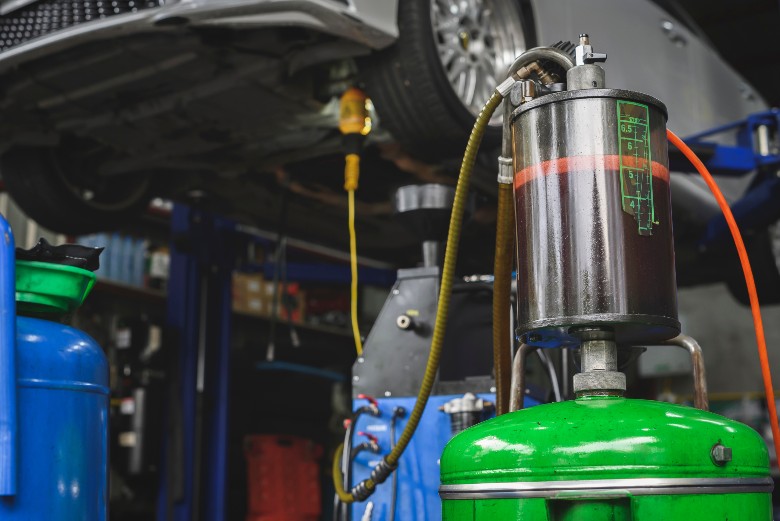
Knowing how often to change transmission fluid is one of those maintenance questions drivers think about only when something feels “off.” And by then, it’s usually a little too late. Around United Auto Sales of Utica here in Yorkville, NY, customers ask about transmission care all the time—usually after noticing a slip, a delay, or a strange noise. That’s why having a clear, simple understanding of transmission fluid maintenance matters. It keeps your vehicle shifting smoothly, protects one of the most expensive components under the hood, and helps you avoid repairs you don’t want to deal with.
Key Takeaways
- If you’re asking, “How often to change transmission fluid?” The answer typically ranges from 30,000 to 60,000 miles.
- Clean fluid protects gears, reduces heat, and improves performance.
- Ignoring fluid changes can lead to slipping, overheating, and costly repairs.
- A transmission flush may be needed if the fluid is heavily worn.
- Regular maintenance extends transmission life and saves money in the long term.
Why Transmission Fluid Matters More Than You Think
Transmission fluid isn’t just a lubricant. It cools, cleans, and protects the gears, clutches, and internal components that keep your vehicle moving. Without clean, healthy fluid, the transmission works harder, heats up faster, and wears down sooner. And once a transmission starts to fail, the repair bill can be… well, let’s just say it’s not something anyone wants to see.
That’s why staying on top of your transmission fluid change schedule is one of the smartest things you can do for your vehicle.
So, How Often Should Transmission Fluid Be Changed?
Most vehicles need a transmission fluid service every 30,000 to 60,000 miles, depending on the model, driving habits, and whether the vehicle tows or hauls heavy loads. Some newer vehicles stretch that interval even further, but “lifetime fluid” doesn’t always mean what it sounds like. Heat, friction, and everyday driving eventually break down the fluid, no matter what the label says.
A good rule of thumb?
If you’re unsure, check your owner’s manual—or swing by United Auto Sales of Utica and let our service team take a look. They can tell you whether you’re due for a transmission flush or a simple drain-and-fill.
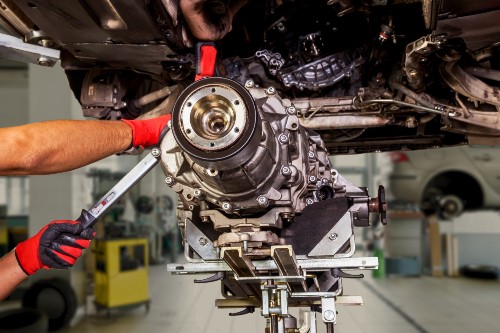
Why Changing Transmission Fluid Matters
Think of transmission fluid like the lifeblood of your vehicle’s shifting system. When it’s fresh, it keeps everything cool and moving smoothly. When it’s old, it turns dark, gritty, and less effective.
Here’s what clean fluid does for your vehicle:
- Keeps gears shifting smoothly
- Reduces heat and friction
- Prevents internal wear
- Extends transmission lifespan
- Helps maintain fuel efficiency
Skipping fluid changes is a little like skipping oil changes—everything still works for a while, but the long-term damage builds quietly.
What Happens If You Don’t Change It?
This is where things get expensive. Old transmission fluid can’t protect the system the way it should. Over time, that leads to:
- Slipping gears
- Delayed shifting
- Overheating
- Grinding or whining noises
- Complete transmission failure
And once a transmission fails, replacement costs can easily climb into the thousands. A routine fluid service? A tiny fraction of that.
It’s one of those maintenance tasks that pays for itself many times over.
Signs You May Need a Transmission Fluid Change
Even if you’re not at the recommended mileage yet, your vehicle may be telling you something. Watch for:
- Rough or delayed shifting
- A burning smell
- Dark or dirty fluid
- Transmission warning light
- Slipping between gears
If you notice any of these, it’s worth having the system checked sooner rather than later.
Transmission Fluid Change vs. Transmission Flush
Drivers often ask about the difference between a transmission flush and a standard fluid change.
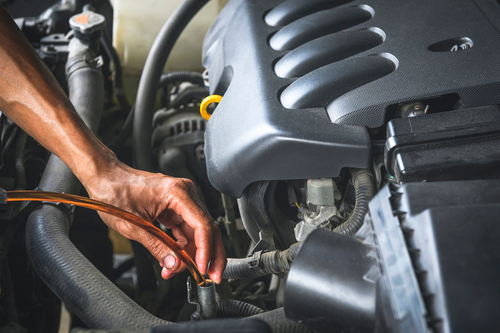
Here’s the quick breakdown:
Fluid Change (Drain & Fill):
- Removes a portion of the old fluid and replaces it with new fluid. Good for routine maintenance.
Transmission Flush:
Uses a machine to replace nearly all the old fluid. Best when the fluid is heavily worn or contaminated.
Your vehicle’s condition determines which service makes the most sense. Our technicians at United Auto Sales of Utica can help you choose the right one.
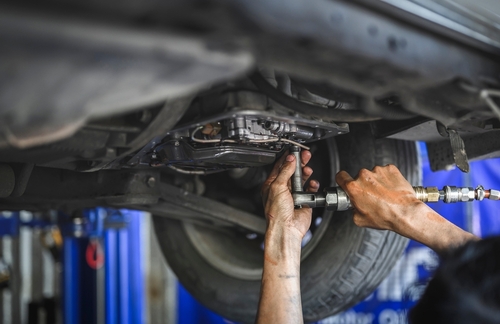
Keep Your Transmission Healthy
Protect Your Investment
A transmission isn’t something you want to gamble with. Staying on top of your transmission fluid change schedule keeps your vehicle running smoothly and helps you avoid major repairs.
Stay Ahead of Problems
Catching issues early—before they turn into breakdowns—saves time, money, and stress.
Let United Auto Sales of Utica Help
Whether you’re unsure about your maintenance schedule or you’ve noticed a few warning signs, the service team here in Yorkville is always ready to help. A quick inspection can give you peace of mind and keep your vehicle shifting the way it should.
FAQ: Transmission Fluid & Maintenance
How often should transmission fluid be changed?
Most vehicles need service every 30,000–60,000 miles, depending on driving conditions.
What’s the difference between a transmission fluid change and a transmission flush?
A fluid change replaces part of the fluid; a flush replaces nearly all of it.
What are the signs that I need a transmission fluid change?
Slipping, delayed shifting, dark fluid, or a burning smell.
Can old transmission fluid damage my vehicle?
Yes—old fluid causes overheating, wear, and potential transmission failure.
Does towing or hauling affect transmission fluid life?
Absolutely. Heavy loads create more heat, which breaks down fluid faster.
This spring, United Auto Sales of Utica is proud to celebrate an incredible milestone — our 81st Anniversary!
For more than eight decades, our dealership has remained committed to serving the Greater Utica Area with quality vehicles, exceptional customer service, and a family-oriented approach that continues to set us apart. As a proud third-generation, family-owned and operated dealership, we are honored to continue the legacy started by brothers Joseph G. Steet and Thomas Steet back in the 1940s.
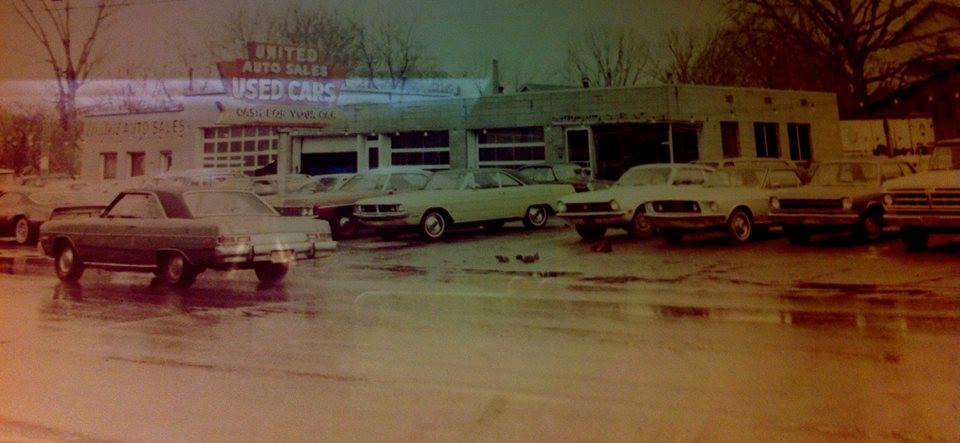
From our humble beginnings on Oriskany Street in Utica to our current location on Commercial Drive in Yorkville, the Steet family has always believed in hard work, honesty, and treating customers like family. Today, that tradition continues through Joe Steet Sr. and his children, Joe Steet Jr. and Carly Steet Mathias, who proudly carry on the family business and its commitment to the community.
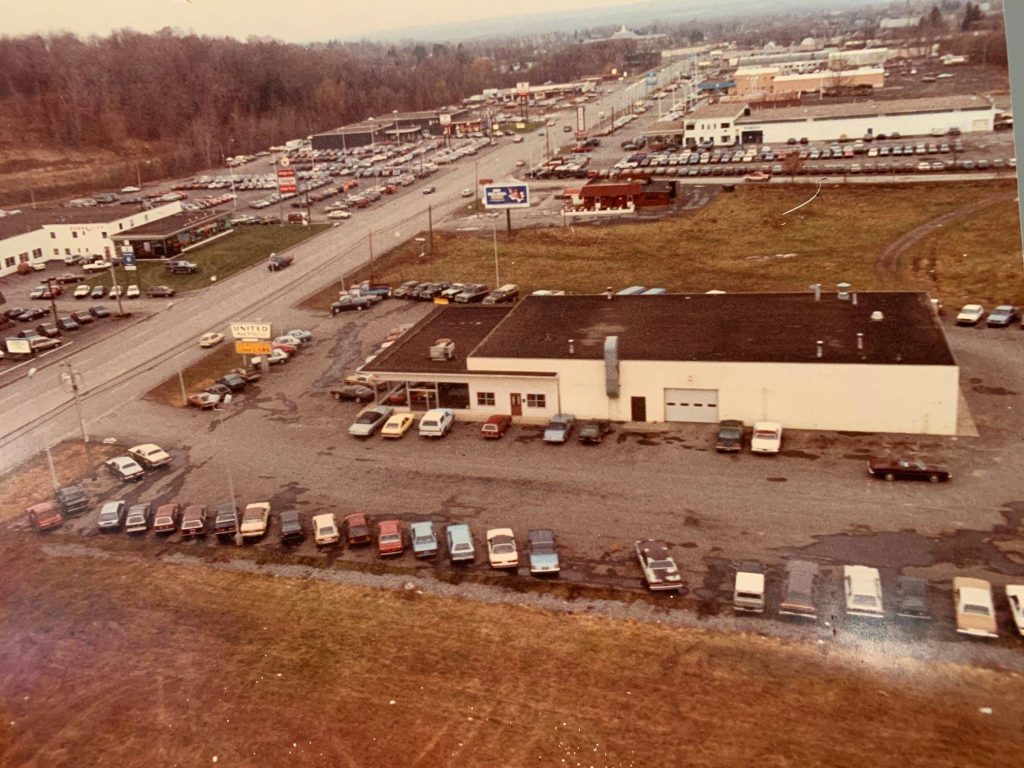
Over the years, United Auto Sales of Utica has grown into one of the area’s largest used vehicle dealerships, offering a selection of over 500 used vehicles. Whether you’re looking for a dependable used sedan, a hardworking used truck, a spacious used SUV, a versatile used van, or even something sporty or luxurious like a convertible, we have something for every lifestyle and budget.
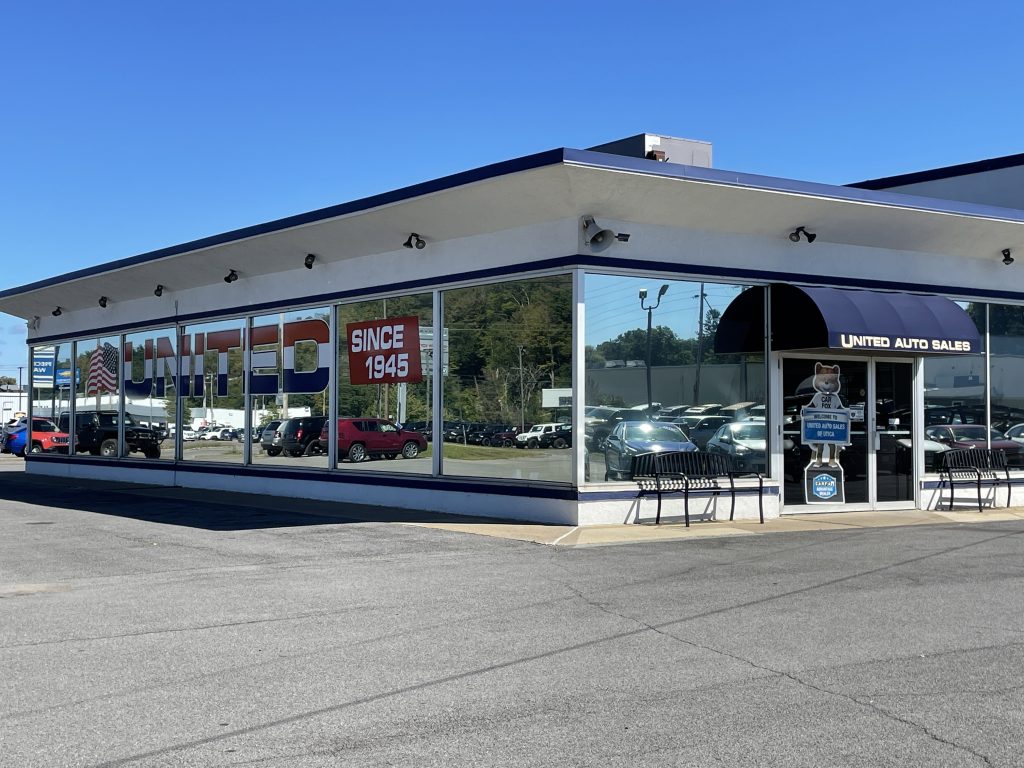
Our family’s roots in the Utica area date back to the 1900’s, and our dedication to the local community has always gone far beyond selling vehicles. Joseph G. Steet was also one of the founders of the Clifton Park Auto Auction, helping bring affordable used vehicles to dealerships throughout the region and contributing to the automotive industry in Upstate New York for generations.

At United Auto Sales of Utica, we take pride in making it easy to do business with us. From helping customers find the right vehicle to working with all types of credit situations, our team is dedicated to making every customer feel comfortable, valued, and supported throughout the buying process.
As we celebrate 81 years in business, we want to sincerely thank our customers, employees, friends, and community for supporting our family dealership throughout the generations. We look forward to continuing to serve the Greater Utica Area for many years to come!
United Auto Sales of Utica
4991 Commercial Drive
Yorkville, NY 13495
Phone: (315) 864-5700
Browse our inventory online today at:
United Auto Sales of Utica
How Often Should You Rotate Tires?
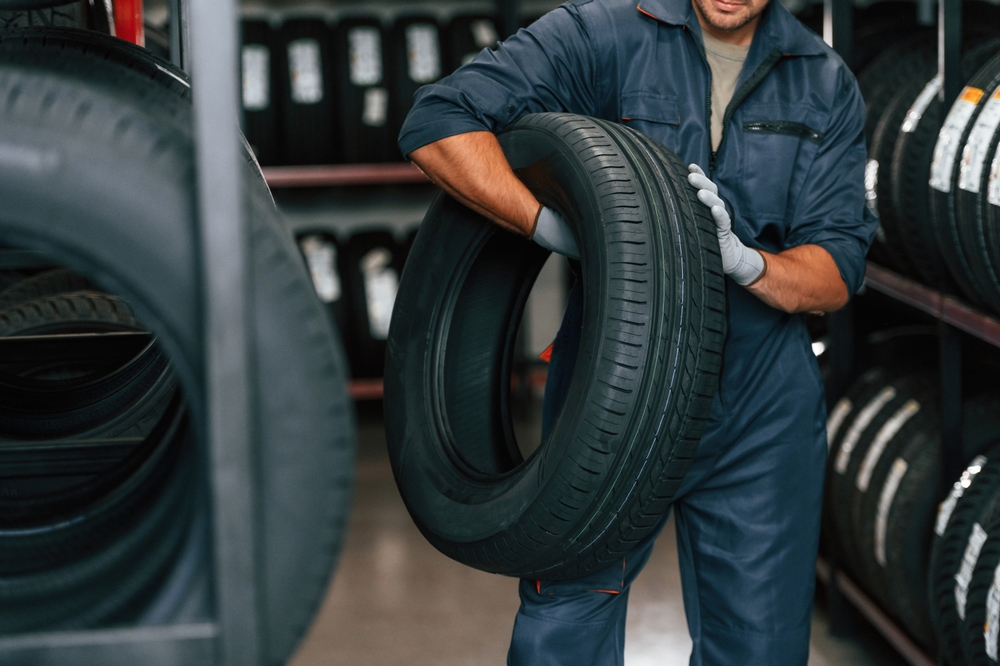
If you’ve ever wondered whether your tires are wearing down the way they should, you’re not alone. Drivers around Yorkville and Utica ask this all the time when they stop by United Auto Sale of Utica for routine service. Tire care is one of those things that’s easy to overlook—until uneven wear, vibration, or poor traction starts creeping in. That’s why understanding how often to rotate tires and why it matters can make a difference in how your vehicle performs day after day.
Tire rotations aren’t complicated, but they play a huge role in keeping your vehicle safe, smooth, and efficient. And the best part? Staying on top of tire rotations can help you dodge bigger, more expensive issues down the road.
Key Takeaways
- Regular tire rotation helps prevent uneven wear and extends tire life.
- Most vehicles need rotations every 6,000–8,000 miles.
- Even tread improves traction, fuel efficiency, and ride comfort.
- Watch for signs like vibration or uneven wear to know when it’s time.
- United Auto Sales of Utica makes scheduling your rotation quick and easy.
Why Tire Rotations Matter More Than You Think
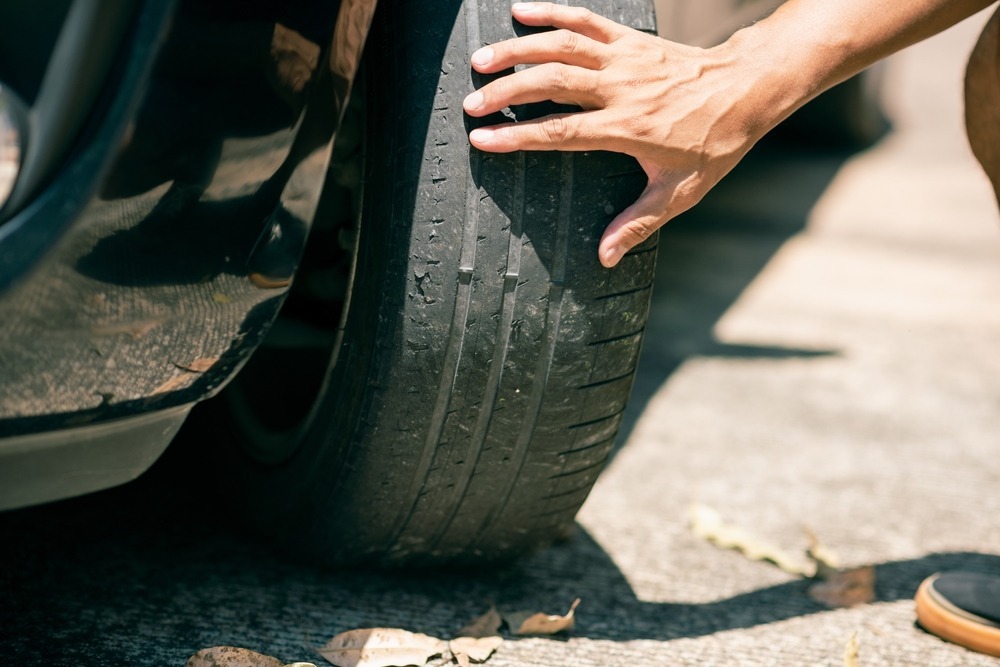
Each tire on your vehicle carries a different load and handles different types of stress. The front tires usually wear faster because they handle the steering and more of the braking force. Over time, that uneven wear can lead to rougher rides, reduced traction, and even shorter tire life.
Regular tire rotation helps balance out wear by moving each tire to a different position. It’s a simple service, but it keeps your tread wearing evenly so your tires last longer and perform better. Think of it as giving each wheel a fair shot at doing the same amount of work.
And if you’ve ever felt your steering wheel shake at higher speeds, you know how unsettling uneven wear can be. Rotating your tires helps prevent that, too.
So, How Often Should You Rotate Tires?
Most vehicles benefit from a rotation every 6,000 to 8,000 miles. For many drivers, that lines up perfectly with every other oil change. But if you’re wondering how often to rotate tires for your specific vehicle, the owner’s manual is always a good place to start.
Still, there are a few situations where you may need rotations more frequently:
- You drive mostly on rough or uneven roads
- You tow or haul heavy loads
- You notice early signs of uneven wear
- You have a performance vehicle or sports tires
If any of these sound familiar, scheduling a rotation a little sooner can help keep your tires in better shape.
The Benefits of Staying on Schedule
Rotating your tires regularly does more than just extend their lifespan. It improves your vehicle’s overall performance in ways you’ll notice every time you drive.
Better Traction and Handling
Even tread means better grip—especially in rain, snow, or icy conditions. Around Upstate New York, that’s something every driver can appreciate.
A Smoother, Quieter Ride
Uneven wear can cause vibration, humming, or a rougher ride. Rotations help keep things smooth and quiet.
Improved Fuel Efficiency
When your tires wear evenly, your vehicle doesn’t have to work as hard. That can translate into better fuel economy over time.
Longer Tire Life
Replacing a full set of tires isn’t cheap. Regular rotations help you get the most out of the set you already have.
Better Overall Safety
Good traction, predictable handling, and even tread depth all contribute to safer driving—especially in challenging weather.
How to Know When It’s Time for a Rotation
Even if you’re keeping track of mileage, your tires may give you clues that they need attention. Here are a few signs to watch for:
- Uneven tread depth
- Vibration at highway speeds
- Pulling to one side
- Noticeable noise from one corner of the vehicle
- Front wheels are wearing faster than the rear wheels
If you notice any of these, it’s a good idea to schedule a tire rotation sooner rather than later.
Scheduling Your Tire Rotation at United Auto Sales of Utica
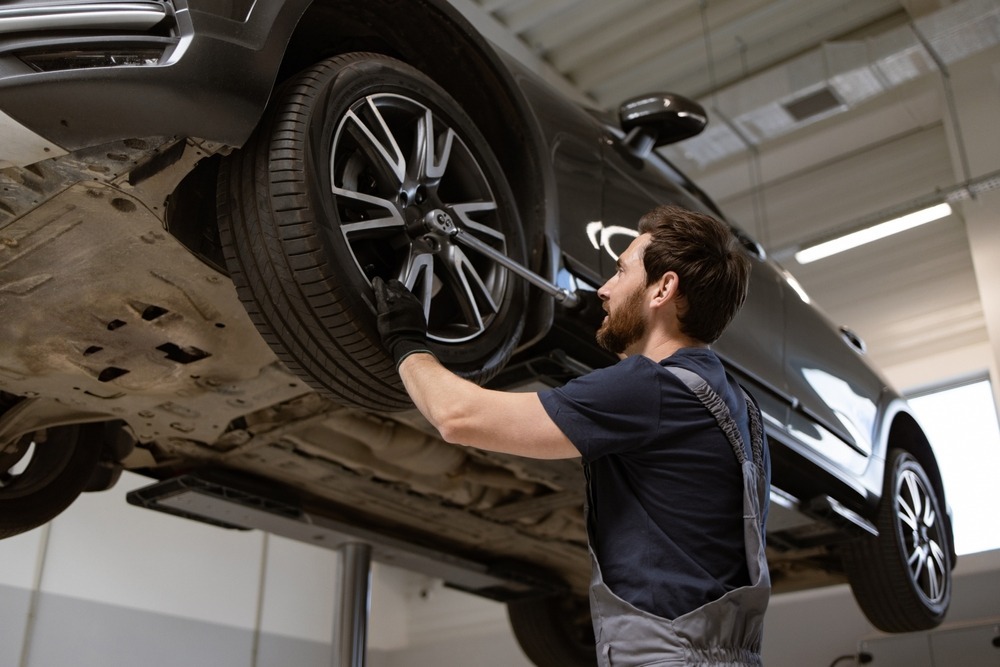
Keeping up with tire maintenance shouldn’t feel like a chore. At United Auto Sale of Utica, the service team makes it easy to stay on top of your rotation schedule. Whether you’re coming in for routine maintenance or you’ve noticed signs of uneven wear, the technicians can take care of the rotation quickly and get you back on the road with confidence.
You can schedule your appointment online, call the service department, or stop by the dealership in Yorkville. The team is always happy to help you figure out the best rotation interval for your driving habits and your specific vehicle.
Keep Your Tires Rolling Smoothly
Staying consistent with your tire rotation schedule is one of the simplest ways to protect your vehicle, improve performance, and save money over time. It doesn’t take long, but the benefits last for thousands of miles. And when you have a trusted team like United Auto Sale of Utica handling the job, you know your tires—and your safety—are in good hands.
FAQ
Do I really need to rotate my tires?
Yes. Rotations help your tires wear evenly, improving safety and extending their lifespan.
Can skipping rotations damage my tires?
Uneven wear can shorten tire life and affect handling, so skipping rotations isn’t recommended.
How long does a tire rotation take?
Most rotations take around 20–30 minutes.
Should I rotate my tires before a road trip?
If you’re close to your recommended mileage interval, it’s a smart idea.
Can I schedule a rotation online?
Absolutely. United Auto Sales of Utica offers easy online scheduling for all tire services.
What Documents Do I Need to Finance a Used Car?

What Documents Do I Need to Finance a Used Car?
Financing a used car shouldn’t feel overwhelming, but it’s easy to wonder what paperwork you’ll need before sitting down with a lender. Around Yorkville and Utica, drivers often stop into United Auto Sales of Utica with the same question: What documents do you need to buy a car when you’re planning to finance it? The good news is that the list is shorter than most people expect. With just a few key documents in hand, the financing process becomes smoother, faster, and far less stressful.
Whether you’re upgrading your daily commuter, replacing an older vehicle, or buying your first car, having the correct paperwork ready can make all the difference. Let’s break down the documents needed to buy a car on finance, why they matter, and how financing a used car can actually work in your favor.
Key Takeaways
- Bring proof of identity, income, residence, and insurance to finance a used car.
- Lenders use these documents to verify your information and offer accurate loan terms.
- Financing a used car often means lower payments and better long‑term value.
- Being prepared speeds up the approval process and reduces stress.
- Trade‑in documents help streamline your purchase if you’re trading in your vehicle.

Why Lenders Need Documentation
Before diving into the checklist, it helps to understand why lenders ask for these documents in the first place. Financing is essentially a partnership—lenders want to confirm your identity, verify your income, and make sure the loan terms fit your financial situation. It’s not about making things complicated; it’s about protecting both sides and ensuring you get a loan you can comfortably manage.
Think of it like buying a home or applying for a credit card. A little paperwork up front saves a lot of headaches later.
The Essential Documents You’ll Need
1. Proof of Identity
This one’s straightforward. You’ll need a government‑issued photo ID, such as:
- A driver’s license
- A state ID
- A passport
Lenders use this to verify your identity and confirm that the information on your application matches official records.
2. Proof of Income
This is one of the most important pieces of the puzzle. Lenders want to see that you have a steady income to support monthly payments. Common forms of proof include:
- Recent pay stubs
- W‑2 forms
- Bank statements
- Tax returns (especially for self‑employed buyers)
If you’re retired or receiving disability or Social Security benefits, award letters or deposit statements work as well.
3. Proof of Residence
Your address helps lenders determine your eligibility and verify your identity. Acceptable documents include:
- A utility bill
- A lease agreement
- A mortgage statement
- A bank or credit card statement
Make sure the document is up to date and shows your full name and current address.
4. Proof of Insurance
Before driving off the lot, you’ll need active auto insurance. Many buyers call their insurance provider from the dealership to set up coverage on the spot. It’s quick, easy, and ensures you’re fully protected.
5. Credit History
You don’t need to bring this with you—lenders pull it themselves. But it’s good to know that your credit score and report play a role in determining your loan terms. Even if your credit isn’t perfect, many lenders offer flexible options for used car financing.
6. Trade‑In Documents (If Applicable)
If you’re trading in a vehicle, bring:
- The title (if paid off)
- Registration
- Loan payoff information (if you still owe on it)
This helps the dealership calculate your trade‑in value and apply it toward your new purchase.
Why Having These Documents Ready Matters
Showing up prepared does more than speed up the process—it can actually improve your financing experience. When lenders have everything they need upfront, they can offer clearer terms, faster approvals, and more accurate payment estimates. It also helps you avoid delays, repeated trips, or last‑minute surprises.
Plus, being prepared gives you confidence. You’ll walk into any dealership knowing exactly what to expect and how the process works.

The Benefits of Financing a Used Car
Financing isn’t just a way to spread out payments—it can be a smart financial move. Here’s why many shoppers choose to finance their used vehicle:
Used cars typically cost less than new ones, which means your monthly payment is often more manageable.
Used vehicles avoid the steep depreciation that hits new cars in the first few years. You’re getting more car for your money.
Many lenders offer competitive rates and terms for used car financing, especially when working with reputable dealerships like United Auto Sales of Utica.
Making on‑time payments can help strengthen your credit report, opening the door to better financial opportunities down the road.

Be Prepared and Enjoy a Smoother Buying Experience
When you‘re asking, “What documents do you need to buy a car?” the entire process becomes easier. A little preparation goes a long way, especially when you’re excited about getting behind the wheel of your next vehicle.
Gather your documents, explore your options, and let United Auto Sales of Utica help you find a reliable used ride that fits your lifestyle and budget. Financing doesn’t have to be stressful—especially when you’re working with a team that’s committed to making the process clear, comfortable, and customer‑focused.
No. Many lenders offer flexible options for buyers with less‑than‑perfect credit.
You’ll need proof of income, but this can include retirement benefits, disability income, or other verified sources.
With the right documents, approvals can often happen the same day.
Yes. Proof of insurance is required before you can drive the vehicle home.
Absolutely. Pre‑approval helps you understand your budget before visiting the dealership.
Connect with us


- June 2026
- May 2026
- April 2026
- March 2026
- February 2026
- January 2026
- December 2025
- November 2025
- October 2025
- September 2025
- August 2025
- July 2025
- June 2025
- May 2025
- April 2025
- March 2025
- February 2025
- January 2025
- December 2024
- November 2024
- October 2024
- September 2024
- August 2024
- May 2024
- April 2024
- January 2024
- December 2023
- November 2023
- October 2023
- August 2023
- July 2023
- May 2023
- April 2023
- February 2023
- November 2022
- September 2022
- July 2022
- June 2022
- May 2022
- January 2022
- December 2021
- November 2021
- October 2021
- September 2021
- August 2021
- July 2021
- April 2021
- March 2021
- February 2021
- July 2020
- May 2020
- March 2020
- February 2020
- January 2020
- November 2019
- October 2019
- September 2019
- August 2019
- July 2019
- June 2019
- May 2019
- April 2019